



HDL: Higher is Good, But is Highest Best?

(I was going to give a how-to guide for raising HDL today, but I’ll do that Tuesday; today I want to address some interesting preliminary matters.)

On Tuesday I raised the possibility that the primary function of HDL particles is immune: HDL gathers anti-pathogenic immune molecules and acts as a “Trojan horse” to attach those molecules to pathogens, helping white blood cells find and kill them.

Another Function of HDL: Toxin Clearance

I probably should have mentioned that HDL has another function: toxin clearance. The primary lipoprotein in HDL, apolipoprotein A-I, not only binds to immune proteins, it also can pick up an assortment of toxins, including oxidized LDL.

The liver is the body’s toxin-destruction organ, and I would propose that its toxin transport function is why HDL tends to return to the liver. As this hypothesis would predict, when HDL has picked up oxidative toxins, its reverse efflux back to the liver is enhanced. [1]

Since toxins cause inflammation, removal of these toxins from the vasculature is anti-inflammatory. This is why HDL is said to be anti-inflammatory.

What are the sources of toxins that HDL clears? One review says reverse efflux, i.e. HDL toxin clearance, is triggered by “genetic mutations, smoking, stress, and high-fat diets.” [2] By high-fat diets they mean high-omega-6 diets which create lots of toxic peroxidized lipids. So if you want your HDL to be devoted to toxin clearance, rather than immune defense, eat a lot of soybean or corn oil.

Interestingly, as aging proceeds and health becomes impaired, HDL becomes less effective at picking up toxins and carrying them back to the liver. [2]

My interpretation of this observation would be that as we age, our burden of chronic infections increases. This causes more of our HDL to pick up immune proteins, converting them into pathogen-fighting HDL rather than toxin-clearing HDL.

These pathogen-fighting HDL particles do not go back to the liver. [3] So when HDL gets converted to pathogen-fighting particles, it can no longer clear toxins. Toxins linger in vascular cells and macrophages for lack of HDL transport.

Conventional Wisdom: “Dysfunctional” HDL

I often criticize mainstream scientists and doctors for an anti-natural view of human biology. Mainstream research paradigms neglect pathogens and toxins as the cause of disease, and presume instead that disease results from some malfunctioning of the human body – from genetic mutations, from autoimmune self-attacks, from kamikaze poisoning by evolved entities like LDL particles.

Last September I mocked this attitude in a parable. This week, I was amused to see this attitude at work in the scientists who study HDL.

When HDL particles pick up immune protein complexes and take on their anti-pathogen functions, some scientists call the resulting particles “dysfunctional” or “pro-inflammatory” HDL. [3, 4, 5] This is contrasted to the “anti-inflammatory” HDL that is light, fluffy, fatty and available to carry toxins back to the liver.

The reasoning seems to be that since inflammation is bad, HDL that participates in the inflammatory response must be “dysfunctional.” To me, this is rather like calling white blood cells “dysfunctional blood cells.” After all, white blood cells are pro-inflammatory.

Aside: Why I Don’t Often Use the Word “Inflammation”

This is why I rarely use the word inflammation:  it has a bad connotation, even though it is a natural process involved in healing and immune defense. Like LDL, it has been demonized for its association with disease. Like firefighters who associate with fires, and ambulance drivers that associate with heart attack victims, inflammation should not be blamed for the dysfunction it attends.

Not all anti-inflammatory therapies are good for you. Clearing your body of “dysfunctional HDL” would temporarily reduce inflammation – but it would let pathogens run wild, potentially leading to the fate of Emily’s great uncle.

Can There Be Too Much HDL?

In biology, it’s a general rule that you can get too much of a good thing. The benefits from something usually follow an upside-down U: they increase for a while, reach an optimum, then they fall. Many nutrients are like this: beneficial in small doses, toxic in large doses.

Indeed, our diet is predicated on the idea that we should try to get all good things into their optimal “plateau range.”

It’s also a good rule of thumb that evolution selects for the optimum. Evolution prefers that we be healthy, so the natural evolutionarily selected levels of biomarkers are usually best for us. In general we should eat a healthy diet, and trust that our body will regulate components, like HDL, to their optimal amount.

So that raises the question:  Is it bad to manipulate the body to raise HDL to unusually high levels? Might HDL, like other good things, have a U-shaped benefits curve – so that there is an optimum and raising HDL above that is damaging? Shouldn’t we just live naturally and let our body adjust HDL to whatever level it wants, trusting evolution to have chosen the optimal HDL level for us?

In concrete terms: Is Richard Nikoley’s coconut oil-induced HDL of 133 mg/dl too high?

It’s a fair question!

What Evolutionary Milieu is Our HDL Particle Number Optimized For?

Evolution did select for an optimal level of HDL – that’s why our HDL level is not infinite.

So why did evolution limit HDL? If higher HDL clears toxins and kills pathogens, what would cause evolution to give us too little of it?

A likely answer is that it is costly to produce HDL, and there are diminishing returns to immunity at high HDL levels.

Let’s imagine the Paleolithic environment. Pathogens then were less dangerous. Because the entire global human population was in the hundreds of thousands, human-human transmission was more rare. Without domesticated animals, zoonotic transmission was rare.

Also, food was less available. Today supermarkets are everywhere and people rarely go hungry; but in the Paleolithic the body had to be careful about preserving resources.

So the evolutionary impulse was to conserve resources: the body wouldn’t make more HDL than necessary, since sources for HDL could be better used to scrimp on food.

If this correct, then the optimum HDL level in the Paleolithic was low.

Then the Neolithic came: animals were domesticated and lived near and with humans. People settled in towns, and population density rose. Feces polluted the local water, facilitating pathogen transmission. Pathogens evolved for greater virulence.

In the medieval period, the world’s great civilizations became densely populated. China, especially, became home to hundreds of millions of people living in close contact. These civilizations were subject to the greatest pathogen loads and must have been under strong selective pressure for enhanced immunity, and thus higher HDL levels.

But evolution doesn’t work overnight. Our natural HDL levels may not yet have evolved to their optimum. They may still be undershooting optimal levels.

HDL Epidemiology

If I’m right, then HDL must be undergoing current evolutionary selection for higher levels.

Historically, HDL levels should have been rising since the Neolithic, and rising the fastest in the most densely populated civilizations.

There are other factors too: geography plays a big role. Pathogens flourish in Africa, and in tropical climes generally. Northerly latitudes with their cold winters are low in pathogens.

So let’s consider what the geographic distribution of HDL levels should be, ignoring contributions from diet.

If my argument is correct, populations who until recently lived as isolated, low-density hunter-gatherers – like Australian aborigines, Melanesians and Polynesians – will have the lowest HDL levels, levels similar to those of our Paleolithic ancestors.

Meanwhile, people who have lived for the last few millennia with the highest population densities – East Asians – or the highest disease burdens – Africans – will have the highest HDL.

Europeans, with a favorable geography and middling historical population density, should be intermediate in HDL levels.

What does the data show?

HDL in Kitava averaged 44.5 mg/dl. [6]

For American populations in NHANES III, African-Americans averaged 53 mg/dl and white Americans averaged 49 mg/dl. This is a good comparison because Americans of different races eat similar diets.

In the Beijing Eye Study, Chinese were found to average 62.3 mg/dl, with one Beijing resident having an HDL over 270 mg/dl! [7] In the InterASIA study, however, Chinese averaged only 51.7 mg/dl. [8]

It’s difficult to infer much from this data, since diet and infectious burden affect HDL levels. The lower HDL in Kitava could be due to their higher carbohydrate intake. But overall, it is consistent with my evolutionary hypothesis. Kitavans have the lowest HDL levels, Americans of European descent are intermediate, and African-Americans and Chinese have the highest HDL levels.

What About Within Populations?

If our optimal HDL levels are higher than our “natural” evolved HDL levels, then the rare people with highly elevated HDL – those blessed with genetic variants that increase HDL, or that live the lifestyles that most elevate HDL – should live longest and be healthiest.

Indeed, that seems to be what is observed. As noted on Tuesday, in the VA Normative Aging Study, “Each 10-mg/dl increment in HDL cholesterol was associated with a 14% [decrease] in risk of mortality before 85 years of age.” [9]

Conclusion

There’s little data to evaluate the healthfulness of very high HDL levels, but what data we have suggests that more is better.

There’s also a plausible (to me) evolutionary story for why our optimal HDL levels may be far higher than the ones selected by evolution.

For most biomarkers I would trust evolutionary selection and let my body do whatever it wants; but for HDL I will make an exception. I think we will benefit from dietary tactics that raise HDL levels above the evolutionary norm. And this is especially true for those with infectious diseases.

So my judgment is: let’s be like Richard Nikoley and aim for high HDL. I’ll discuss how on Tuesday.

References

[1] Pirillo A et al. Modification of HDL3 by mild oxidative stress increases ATP-binding cassette transporter 1-mediated cholesterol efflux. Cardiovasc Res. 2007 Aug 1;75(3):566-74. http://pmid.us/17524375.

[2] Berrougui H, Khalil A. Age-associated decrease of high-density lipoprotein-mediated reverse cholesterol transport activity. Rejuvenation Res. 2009 Apr;12(2):117-26. http://pmid.us/19405812.

[3] Feingold KR, Grunfeld C. The acute phase response inhibits reverse cholesterol transport. J Lipid Res. 2010 Apr;51(4):682-4. http://pmid.us/20071695.

[4] Undurti A et al. Modification of high density lipoprotein by myeloperoxidase generates a pro-inflammatory particle. J Biol Chem. 2009 Nov 6;284(45):30825-35. http://pmid.us/19726691.

[5] Smith JD. Myeloperoxidase, inflammation, and dysfunctional high-density lipoprotein. J Clin Lipidol. 2010 Sep-Oct;4(5):382-8. http://pmid.us/21076633.

[6] Lindeberg S et al. Determinants of serum triglycerides and high-density lipoprotein cholesterol in traditional Trobriand Islanders: the Kitava Study. Scand J Clin Lab Invest. 2003;63(3):175-80. http://pmid.us/12817903.

[7] Wang S et al. Prevalence and associated factors of dyslipidemia in the adult chinese population. PLoS One. 2011 Mar 10;6(3):e17326. http://pmid.us/21423741.

[8] He J et al. Serum total and lipoprotein cholesterol levels and awareness, treatment, and control of hypercholesterolemia in China. Circulation. 2004 Jul 27;110(4):405-11. http://pmid.us/15238453.

[9] Rahilly-Tierney CR et al. Relation Between High-Density Lipoprotein Cholesterol and Survival to Age 85 Years in Men (from the VA Normative Aging Study). Am J Cardiol. 2011 Apr 15;107(8):1173-7. http://pmid.us/21296318.

HDL and Immunity

HDL – high-density lipoprotein – particles are good for you: High HDL levels are associated with lower mortality overall and lower mortality from many diseases – not only cardiovascular disease but also cancer and infection.

People with high HDL are only one-sixth as likely to develop pneumonia [1], and in the Leiden 85-Plus study, those with high HDL experienced 35% lower mortality from infection [2].

Each rise of 16.6 mg/dl in HDL reduced the risk of bowel cancer by 22% in the EPIC study. [3]

In terms of overall mortality, in the VA Normative Aging Study, “Each 10-mg/dl increment in HDL cholesterol was associated with a 14% [decrease] in risk of mortality before 85 years of age.” [4]

This must be surprising to those who think HDL is only a carrier of cholesterol. The lipid hypothesis presumed that the function of HDL is to clear toxic cholesterol from arteries, cholesterol having evolved for the purpose of giving us heart attacks. HDL then brings cholesterol to the liver which disposes of it returns it to the blood via LDL (which evolved for the purpose of poisoning arteries with cholesterol, and giving HDL something to do). (Hat tip to Peter for this formulation of the lipid hypothesis.)

But there is an alternative hypothesis: that infections cause disease, and that HDL has an immune function. This hypothesis would explain why HDL protects against infections and against all diseases of aging.

Immune Functions of HDL

I got interested in immune functions of HDL upon reading an article in ScienceDaily last year (“How Disease-Causing Parasite Gets Around Human Innate Immunity,” Sept 13, 2010). The article states:

Several species of African trypanosomes infect non-primate mammals and cause important veterinary disease yet are unable to infect humans. The trypanosomes that cause human disease, Trypanosoma brucei gambiense and T. b. rhodensiense, have evolved mechanisms to avoid the native human defense molecules in the circulatory system that kill the parasites that cause animal disease….

Human innate immunity against most African trypanosomes is mediated by a subclass of HDL (high density lipoprotein, which people know from blood tests as “good cholesterol”) called trypanosome lytic factor-1, or TLF-1….

The parasite that causes fast-onset, acute sleeping sickness in humans, T. b. rhodensiense, is able to cause disease because it has evolved an inhibitor of TLF-1 called Serum Resistance Associated (SRA) protein…. T. b. gambiense resistance to TLF-1 is caused by a marked reduction of TLF-1 uptake by the parasite….

To survive in the bloodstream of humans, these parasites have apparently evolved mutations in the gene encoding a surface protein receptor. These mutations result in a receptor with decreased TLF-1 binding, leading to reduced uptake and thus allow the parasites to avoid the toxicity of TLF-1.

“Humans have evolved TLF-1 as a highly specific toxin against African trypanosomes by tricking the parasite into taking up this HDL because it resembles a nutrient the parasite needs for survival,” said Hajduk, “but T. b. gambiense has evolved a counter measure to these human ‘Trojan horses’ simply by barring the door and not allowing TLF-1 to enter the cell, effectively blocking human innate immunity and leading to infection and ultimately disease.”

So HDL is actually an immune particle carrying proteins that poison pathogens. The TLF-1 HDL subclass consists of those HDL particles carrying two anti-trypanosome proteins, apolipoprotein L-1 and haptoglobin-related protein. [5]

Any HDL particle can become an anti-trypanosome defender simply by acquiring and carrying these proteins.

It turns out that HDL can carry a great assortment of immune proteins. The orchestrator of HDL’s immune functions seems to be a circulating plasma protein called phospholipid transfer protein (PLTP), which forms complexes with immune molecules and then associates with apolipoprotein A-I (the primary HDL protein). PLTP brings 24 different immune molecules into HDL particles, including apolipoproteins such as clusterin (apoJ), coagulation factors, and complement factors. [6] These immune protein complexes add protein but not fat to HDL particles:

Unexpectedly, lipids accounted for only 3% of the mass of the PLTP complexes. Collectively, our observations indicate that PLTP in human plasma resides on lipid-poor complexes dominated by clusterin and proteins implicated in host defense and inflammation. [6]

It looks like HDL may not be primarily a carrier of cholesterol, but rather a carrier of antimicrobial proteins. Its cholesterol and lipids may serve, as the ScienceDaily article suggests, to make the HDL particle attractive to pathogens so that it may enter as a “Trojan Horse.”

HDL-associated immune proteins under strong selection

As pathogens evolve, immune proteins have to evolve. It turns out that apolipoprotein L-1, the immune protein that protects against trypanosomes, is under strong selection in both Africa and Europe.

The version selected in Europe does not protect against Trypanosoma brucei rhodesiense, cause of one of the African sleeping sickness diseases, but the version selected in Africa does. Unfortunately, the African version also increases risk of kidney disease – which may explain why African-Americans have higher rates of kidney disease than white Americans. [7]

So Africans have sacrificed kidney health for greater immunity against sleeping sickness. This suggests that African sleeping sickness may be a relatively recently evolved human disease.

HDL neutralizes toxins

HDL binds bacterial endotoxins, especially lipopolysaccharide (LPS), and neutralizes their toxicity. As a result, people with high HDL have substantially less release of tumor necrosis factor-alpha (TNF-α) during infection. [8]

TNF-α is an inflammatory molecule that stimulates the acute phase response to infections. Levels of C-reactive protein are a good index of TNF-α levels, so generally speaking high HDL will lead to low TNF-α and low CRP.

What’s the best HDL profile?

It should be desirable to have more HDL particles. Since each HDL particle is capable of poisoning a pathogen, the more you have, the stronger your immune defenses.

However, the weight of each HDL particle is likely to be an indicator of infection severity. An infection-free person will have few immune proteins to pick up; the HDL particles will be fat-rich and buoyant. But a person with extensive infections will have heavier HDL particles freighted with immune proteins.

Conventional tests in the doctor’s office measure the weight of HDL in mg per deciliter of blood. Since having more HDL particles (which raises the weight) is good, but having heavy HDL particles indicates infection which is bad, mass is not the best measure of HDL status. We would expect the number or concentration of HDL particles to provide a better indicator of health.

Indeed, this appears to be what is observed. The most important determinant of HDL status is the number of HDL particles:

The association between HDL size and CAD risk was abolished on adjustment for apolipoprotein B and triglyceride levels (adjusted odds ratio, 1.00 [95% CI, 0.71 to 1.39] for top vs. bottom quartile), whereas HDL particle concentration remained independently associated with CAD risk (adjusted odds ratio, 0.50 [CI, 0.37 to 0.66]). [9]

Conclusion

HDL particles are “Trojan Horses” that attack pathogens and neutralize their toxins.

If you want to remain free from infectious diseases – which is to say, all diseases – to a ripe old age, it’s important to make your HDL particles numerous.

On Thursday, I’ll discuss ways to do that.

References

[1] Gruber M et al. Prognostic impact of plasma lipids in patients with lower respiratory tract infections – an observational study. Swiss Med Wkly. 2009 Mar 21;139(11-12):166-72. http://pmid.us/19330560.

[2] Berbée JF et al. Plasma apolipoprotein CI protects against mortality from infection in old age. J Gerontol A Biol Sci Med Sci. 2008 Feb;63(2):122-6. http://pmid.us/18314445

[3] van Duijnhoven FJ et al. Blood lipid and lipoprotein concentrations and colorectal cancer risk in the European Prospective Investigation into Cancer and Nutrition. Gut. 2011 Mar 7. [Epub ahead of print] http://pmid.us/21383385.

[4] Rahilly-Tierney CR et al. Relation Between High-Density Lipoprotein Cholesterol and Survival to Age 85 Years in Men (from the VA Normative Aging Study). Am J Cardiol. 2011 Apr 15;107(8):1173-7. http://pmid.us/21296318.

[5] Kieft R et al. Mechanism of Trypanosoma brucei gambiense (group 1) resistance to human trypanosome lytic factor. Proc Natl Acad Sci U S A. 2010 Sep 14;107(37):16137-16141. http://pmid.us/20805508.

[6] Cheung MC et al. Phospholipid transfer protein in human plasma associates with proteins linked to immunity and inflammation. Biochemistry. 2010 Aug 31;49(34):7314-22. http://pmid.us/20666409.

[7] Genovese G et al. Association of trypanolytic ApoL1 variants with kidney disease in African Americans. Science. 2010 Aug 13;329(5993):841-5. http://pmid.us/20647424.

[8] Henning MF et al. Contribution of the C-terminal end of apolipoprotein AI to neutralization of lipopolysaccharide endotoxic effect. Innate Immun. 2010 May 25. [Epub ahead of print] http://pmid.us/20501516.

[9] El Harchaoui K et al. High-density lipoprotein particle size and concentration and coronary risk. Ann Intern Med. 2009 Jan 20;150(2):84-93. http://pmid.us/19153411.

Pacific Sweet and Sour Salmon

You’ve just come home from work, you’re tired and hungry, and would like to eat in 20 minutes. How do you make a meal that’s easy and quick, but new and different?

The solution is to fry a meat and boil a starch, but use a tasty sauce to give variety to this most easily-cooked meal. One of our favorite sauces is something we call Pacific Sweet&Sour Sauce.

The Sauce

The essential ingredients are rice syrup for sweetness, lemon juice or rice vinegar for sourness, tarragon, rosemary, and garlic. An optional ingredient is any kind of chili powder for spiciness; we used the Vietnamese spicy sauce at top – this one happens to be Huy Fong Chili-Garlic Sauce and is made from chili, salt, garlic, and distilled vinegar.
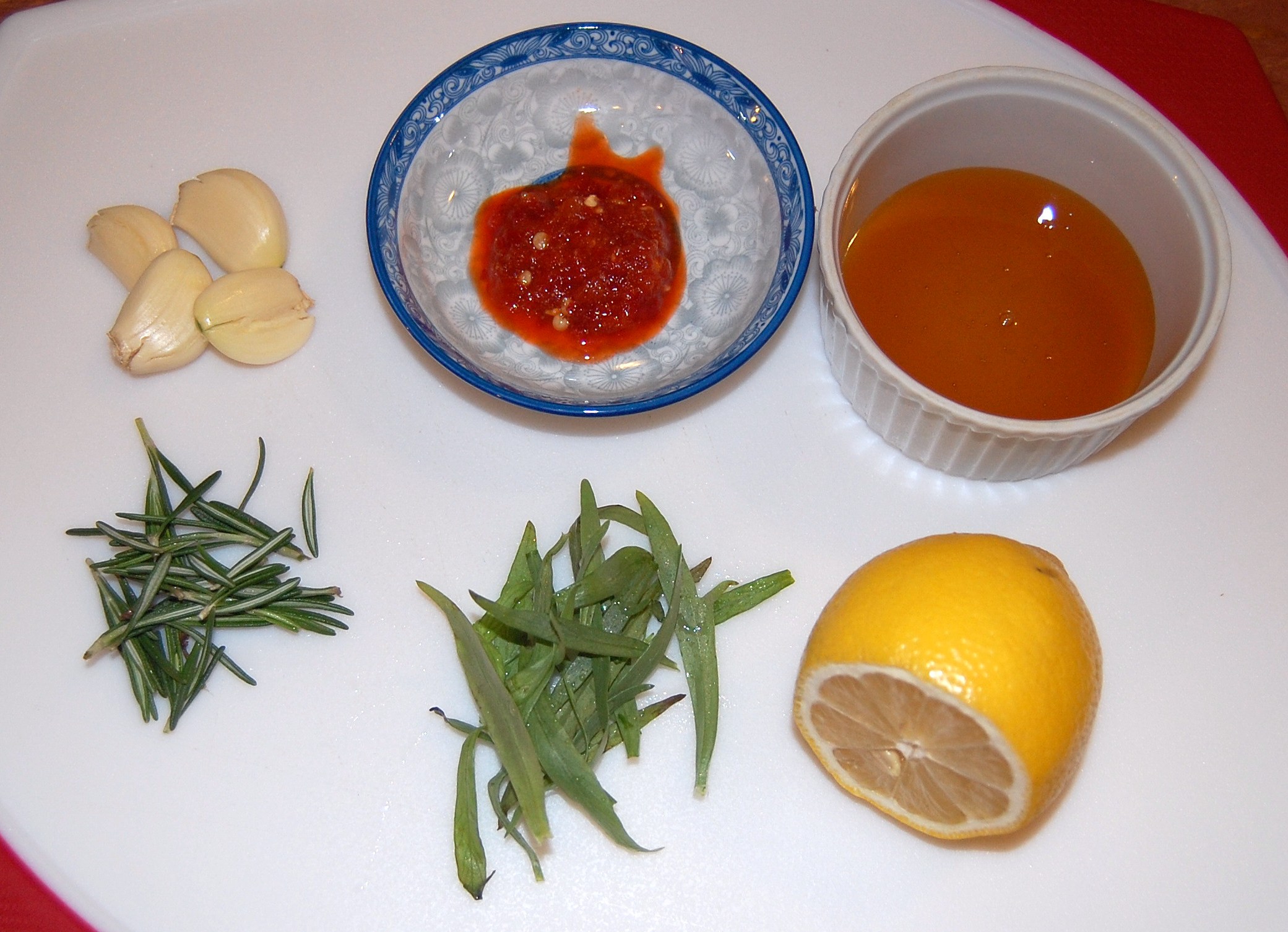
Of course you can substitute: basil works well as a herb, and coconut milk is an excellent addition to the sauce. Fish sauce gives it a more Vietnamese flavor.

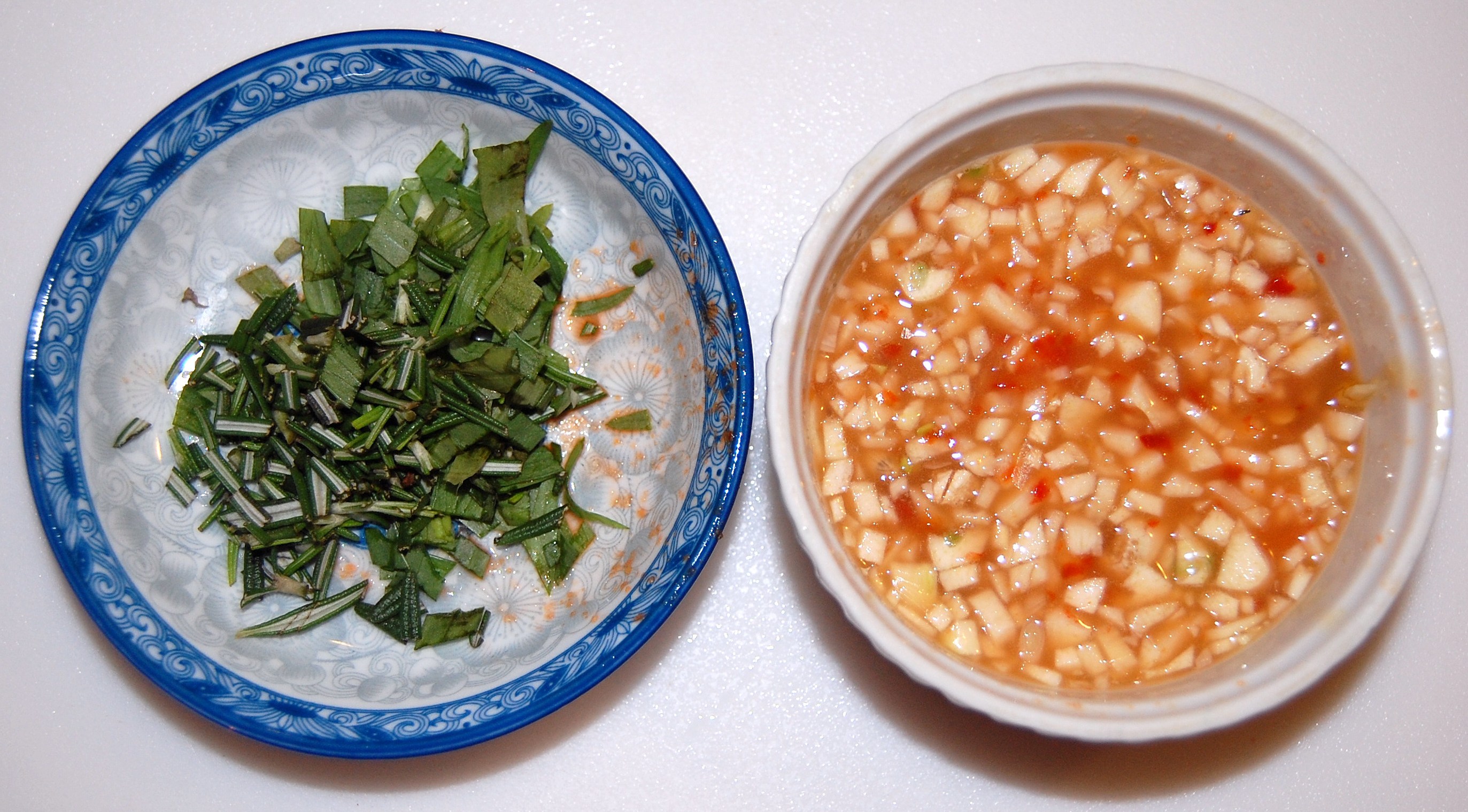
Dice the herbs and set them aside; mince the garlic and mix with the sweet, sour, and spicy ingredients:

The sauce is ready. We used about 1 tbsp rice syrup and juice of a full lemon.

Pacific Sweet&Sour Salmon

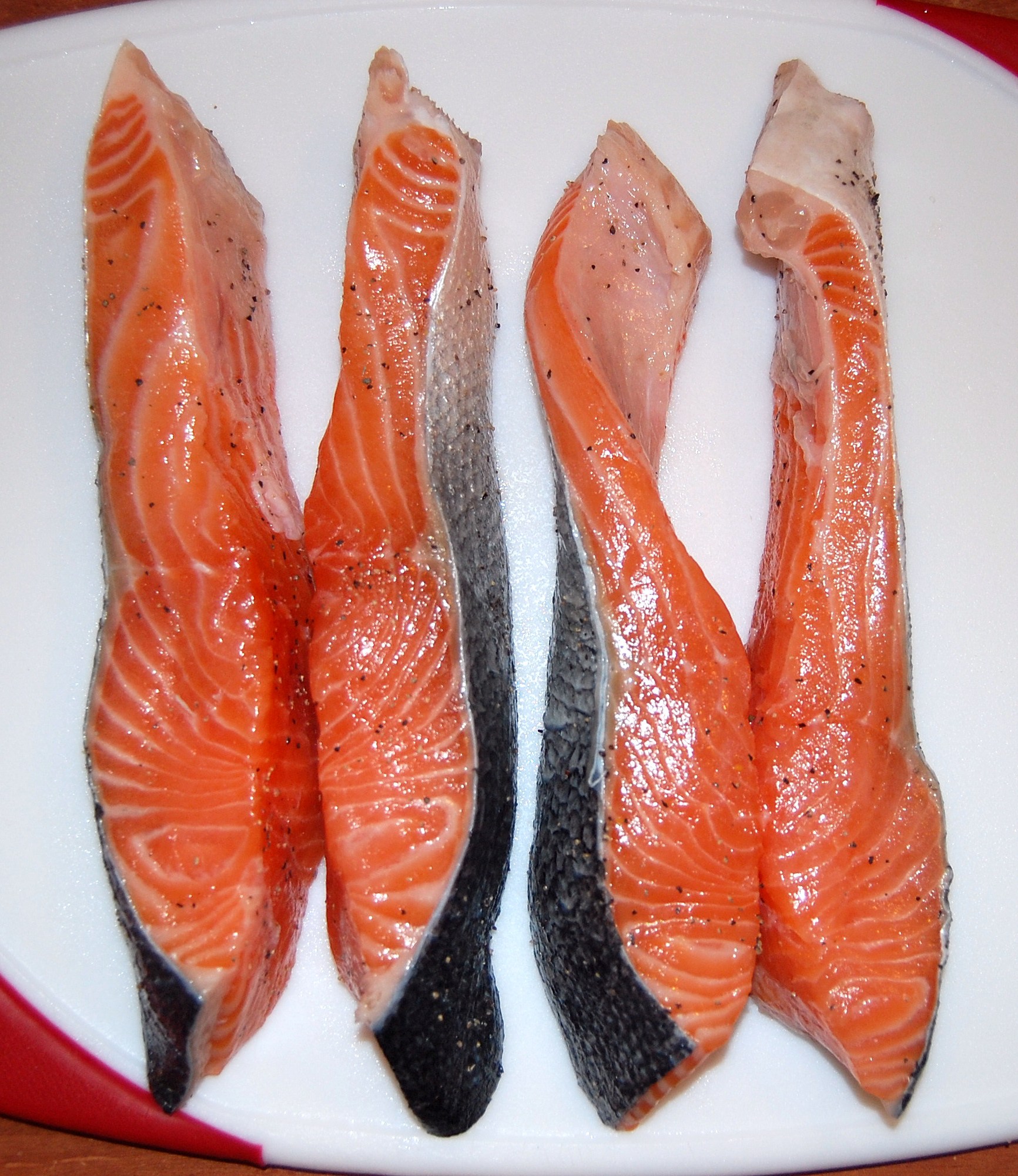
Removing the central bone from the salmon steaks speeds up cooking significantly, and finishes the meat when the skin is cooked to just the right crispiness. Here we’ve filleted, and put salt and pepper on, two salmon steaks:

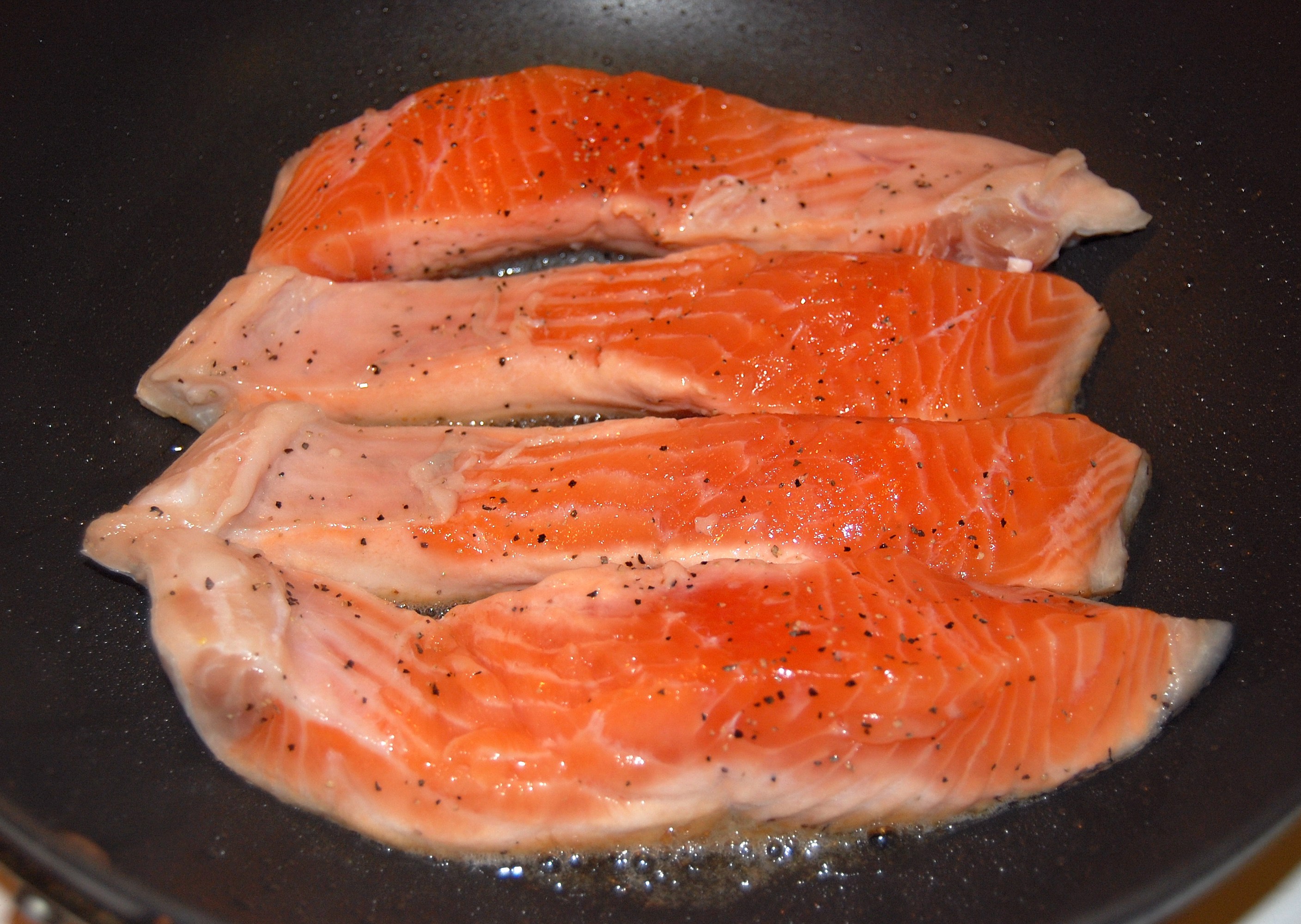
We put a bit of coconut oil in the pan and cooked at medium-high heat.

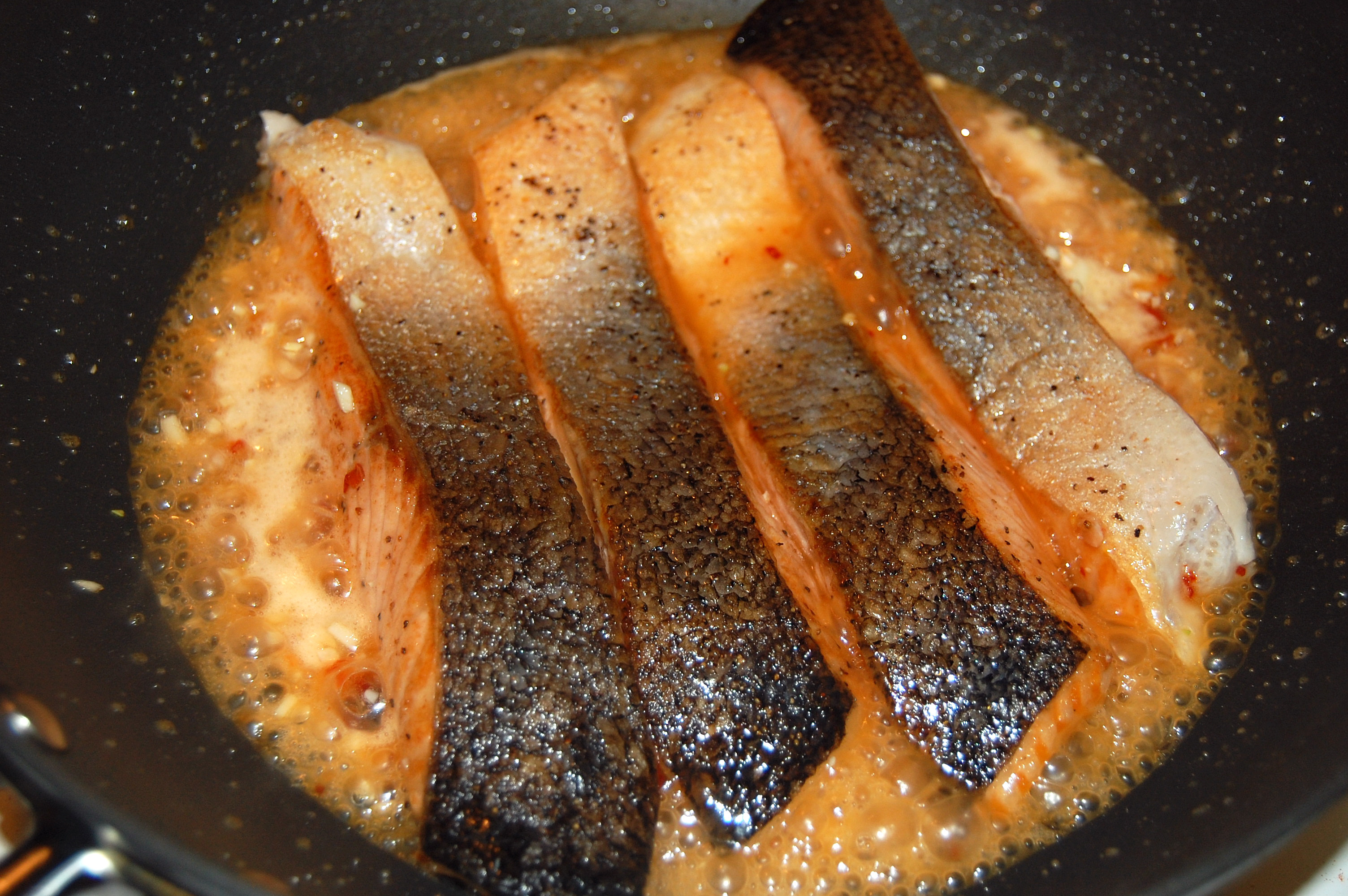
When the color has changed about 2/3 of the way up the sides of the steaks, which may take 3-4 minutes, they’re ready to flip. After flipping cook another 2 minutes and add the sauce:

With the sauce in cook another 1 minute on one side, and flip again to finish for another minute. Add the herbs in this final minute:

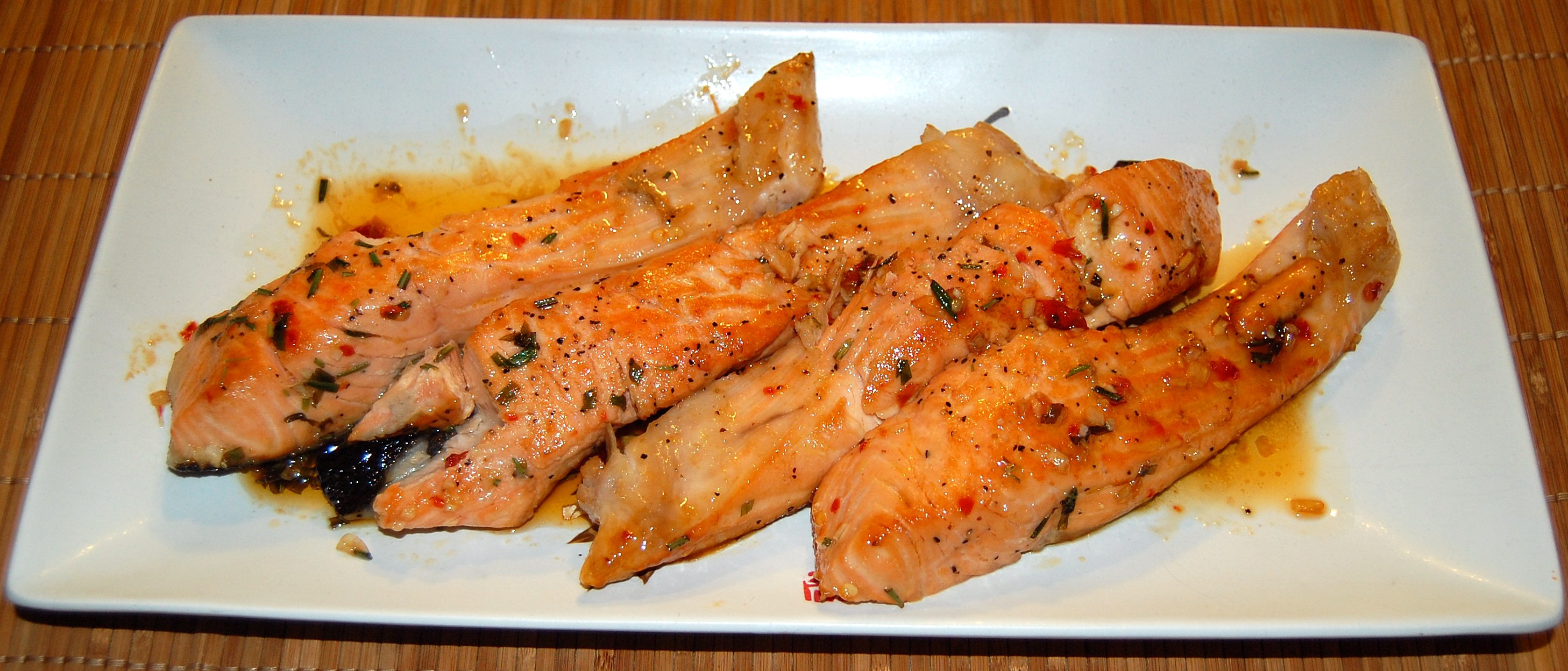
Be sure to keep all the sauce when you transfer to a serving plate:

Pacific Sweet&Sour Pork Bellies

We like pork belly a lot: it is a tasty, fatty cut of pork, and we like the natural flavor better than processed bacon.

If you’re nervous about timing, you don’t have to cook everything together: you can pre-cook the meat, then add it back to the sauce.

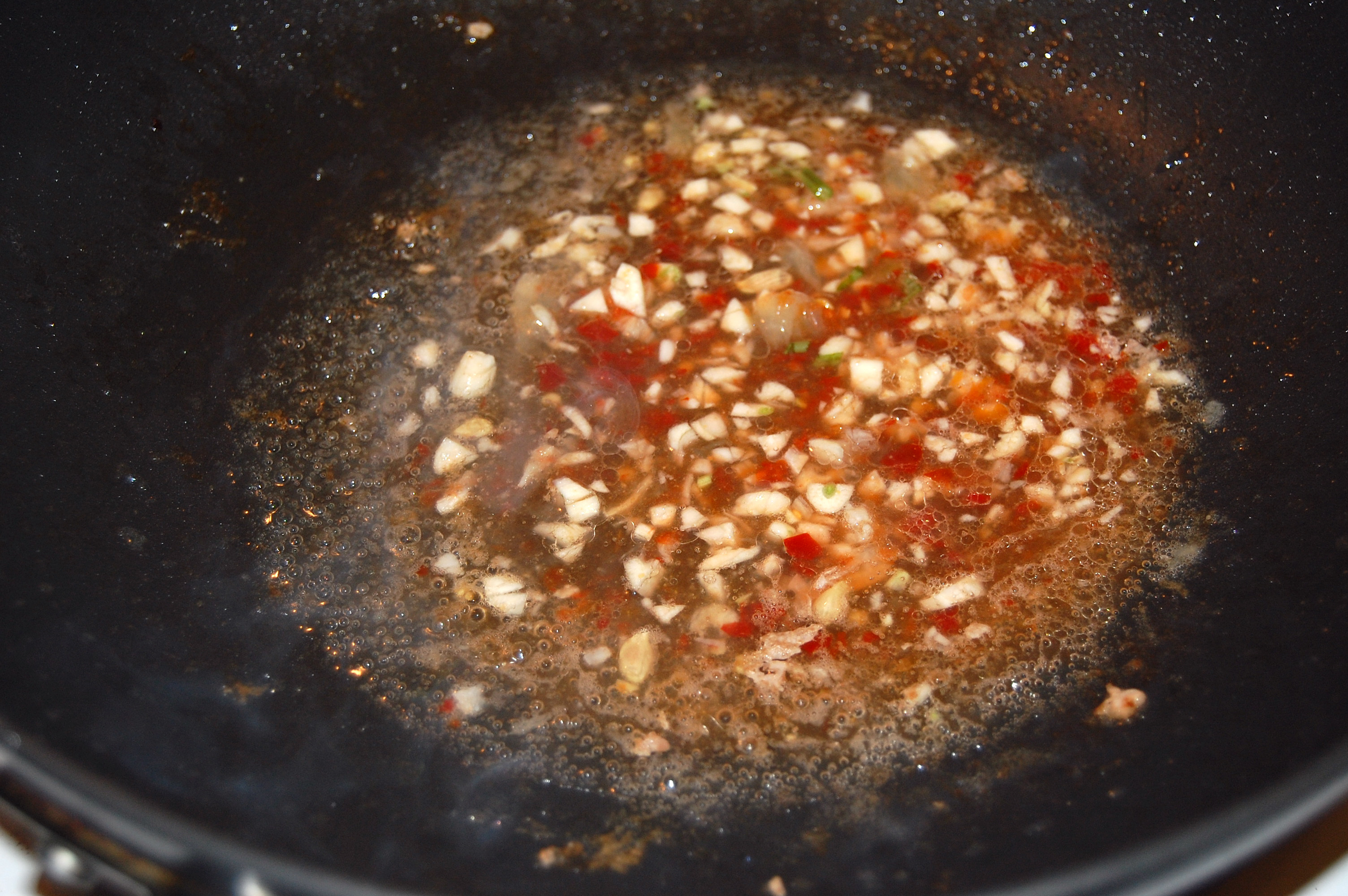
Here’s an example. After cooking pork belly slices, remove the meat and add the Pacific Sweet&Sour sauce to the pan oil:

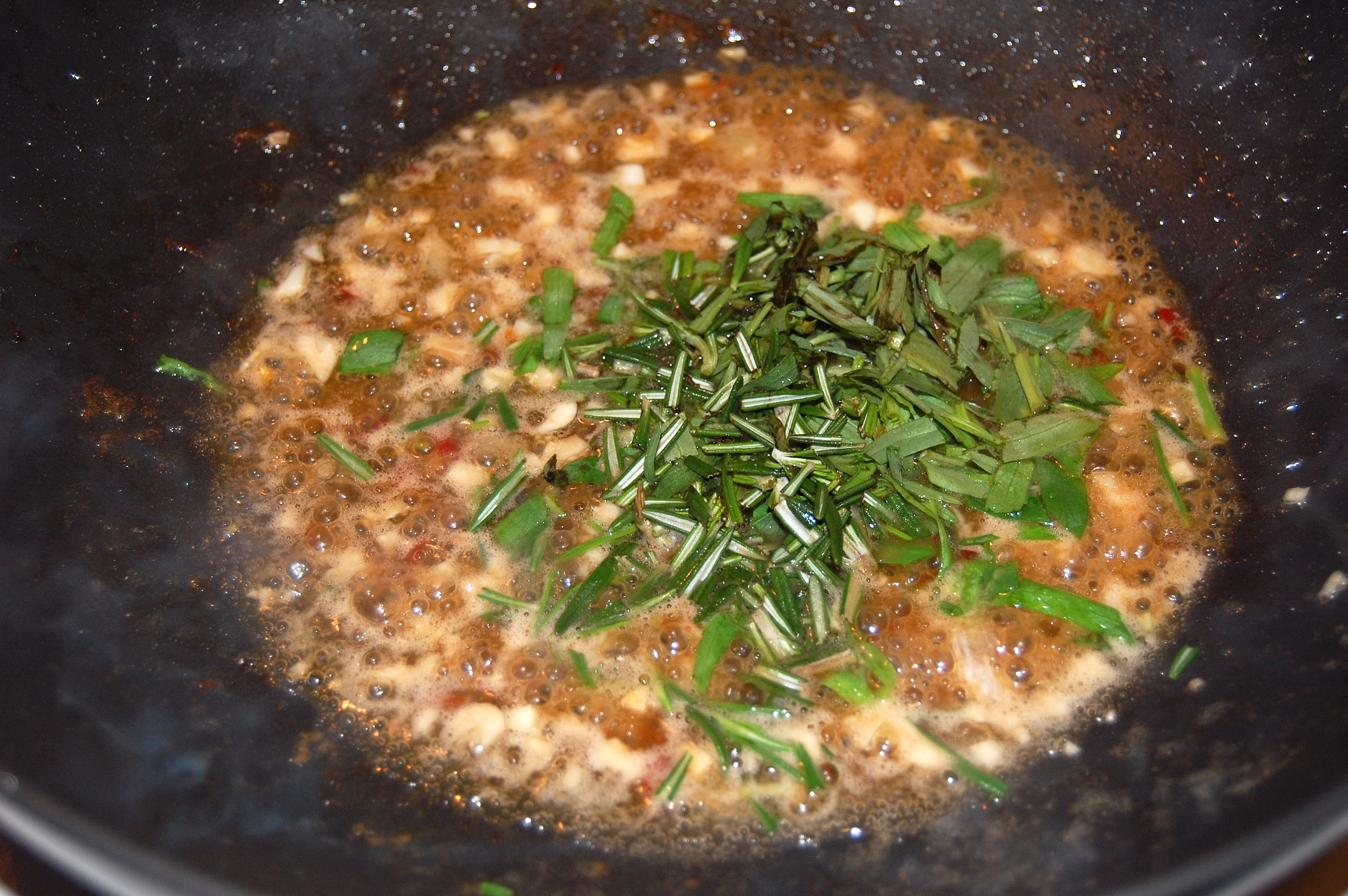
After a minute of heating and stirring, add the herbs:

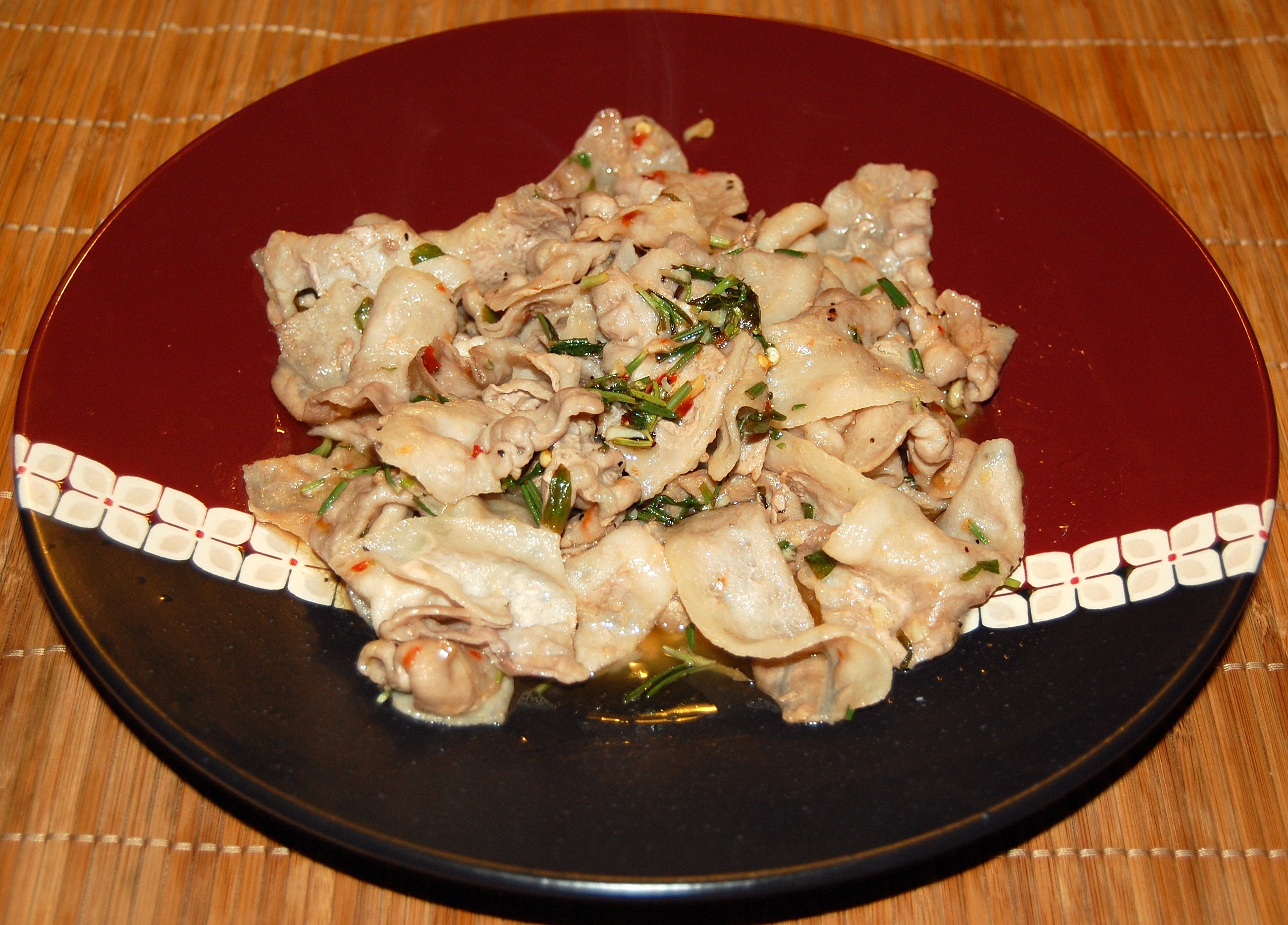
Return the meat to the pan, mix, and serve:

Pacific Sweet&Sour Beef Liver

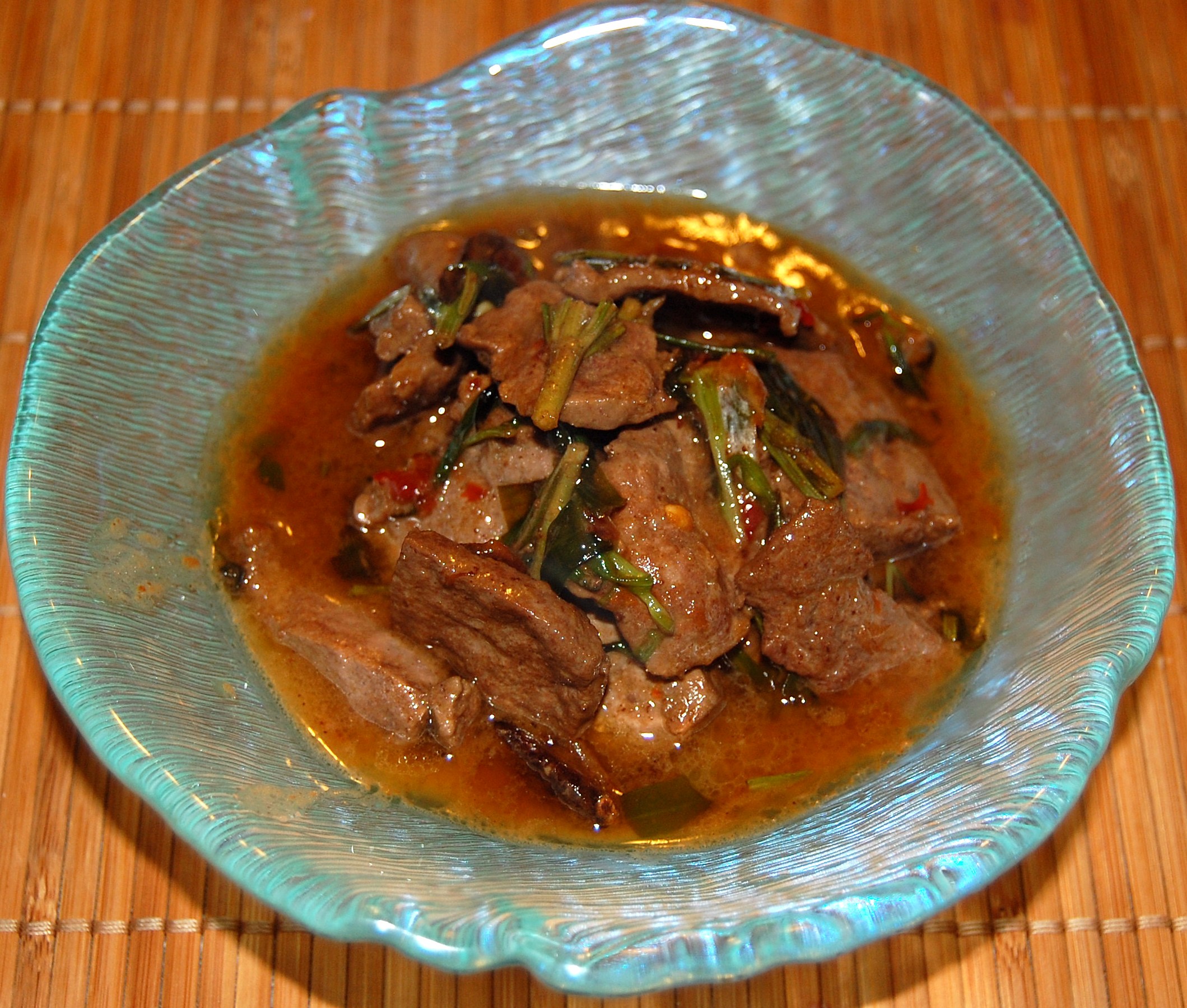
We find this sauce works very well with beef liver too:

Shou-Ching, who doesn’t like the taste of beef liver, is happy to eat this.

If you really dislike the taste of liver, you can further remove the liver taste by boiling the beef liver slices briefly before putting them in the pan.

Conclusion

This sort of meal is easily cooked in 20 minutes or so. Alongside the meat, we prepare a starch – usually rice cooked in our rice cooker or warmed in the microwave (one batch lasts us 2-3 days), or potatoes or taro boiled or re-heated in the microwave (again, we prepare enough for 2-3 days) – and serve assorted vegetables – for us, usually various flavors of kimchi and seasoned seaweed. Kimchi and seaweed require no cooking.

We’re having Pacific Sweet&Sour Mussels tonight, with coconut milk in the sauce. Create your own variations! They’ll all taste great.

Around the Web; and Why Is Aspirin Toxic to Cats?

[1] Interesting posts this week: Melissa McEwen assures us: Robb Wolf is not Satan. Kurt Harris’s reader Tara makes the most persuasive case I’ve seen for grass-fed meat through pictures. Emily Deans compares eating disorders to addictions.

[2] Kurt Harris re-re-brands: Paleonu became PaNu became Paleo 2.0 becomes Archevore.com, archevore being a neologism for “one who eats of the essentials.”

Well, it’s more euphonious than “EM2vore,” for “one who eats of the evolutionary metabolic milieu.” A more descriptive name might have been “nontoxivore,” since Kurt’s primary theme is avoidance of “neolithic agents of disease – wheat, excess fructose and excess linoleic acid.”

It will be interesting to see where he’s taking this. Are Archevorean essentials the same as PaNu?

[3] Posts of the week: Chris Masterjohn posts always deserve special notice. On Tuesday he continued his important series investigating whether wheat causes leaky gut, which will trigger a few edits in the next edition of our book. I was asked about this last Saturday and said:

There’s no question that gluten causes problems in non-celiacs – that’s the main result of the Fasano paper Chris cites, and also of papers cited by Andrew Badenoch in a post I linked today. It’s just that leaky gut does not appear to be one of those problems.

It certainly doesn’t mean that wheat is safe to eat.

I may add that pathogens and other food toxins – even perhaps other wheat toxins besides gluten – can cause a leaky gut, providing a way for wheat toxins to enter the body. Moreover, some wheat toxins don’t even need a leaky gut to enter the body. As we discuss in the book (p 134), wheat germ agglutinin can cross barriers via transcytosis, enabling them to enter the body even if the intestinal barrier is intact. Finally, wheat toxins can damage the gut without entering the body at all. So there are many pathways through which wheat toxicity can matter.

Chris had another outstanding post on Friday, about fatty liver disease.

[4] Rosacea is an infection of the skin and vessels: That’s why it can be transmitted through facial skin grafts.

Source: Kanitakis J. Transmission of Rosacea from the Graft in Facial Allotransplantation. Am J Transplant. 2011 Mar 28. [Epub ahead of print] http://pmid.us/21443678.

[5] Special offer: The folks at Emerald Forest Xylitol noticed that we recommend their product and would like to give a special offer to PerfectHealthDiet.com readers. Use the coupon code FIRST to get 10% off all products at www.emeraldforestxylitol.com.

Also, Matt Willer of Emerald Forest Xylitol is looking for recipes that include Xylitol for use in his newsletter. If you have a recipe, send it to matt@xylitolusa.com.

[6] Animal photos: If you saw a grizzly charging straight toward you, would you stop to take this photo?

Photographer Alex Wypyszinski did in Yellowstone. The grizzly was chasing an injured bison, and the pair went right past him:

For the full story, see Grizzly versus Bison: the rest of the story (Drew Trafton, 10/29/10, KRTV, Great Falls, Montana). Hat tip Orrin Judd.

[7] Don’t hate the sun: From Britain comes the sad story of a 21-year-old who “hated the sun” and died of skin cancer at 21.

Dr. John Briffa has a summary of the relevant science.

[8] I couldn’t disagree more: Mike the Mad Biologist and Newt Gingrich are dead wrong in their prescription for research funding. We don’t need more concentrated funding, we need more distributed, decentralized funding that is patient-driven, not top-scientist driven.

Discovering cures can be cheap – if you’re looking in the right place. If you’re looking in the wrong direction, the cost of a cure may be infinite.

[9] I hate when that happens:

(Via Stephen Wangen)

[10] Are choline supplements toxic?: At the very beginning of the book (p 3) we state that “the perfect diet should … deliver … no excess nutrients for pathogens.”

Later in the book we give examples of nutrients that, in excess, primarily benefit pathogens: niacin (the primary vitamin for bacteria), iron (critical for metabolism of most pathogens, and a component of bacterial biofilms), and calcium (a component of bacterial biofilms). These are on our list of micronutrients we recommend not supplementing (beyond a multivitamin).

Two readers, Leonardo and Patricia (thank you both!), emailed us about a ScienceDaily article suggesting that choline, one of the micronutrients we most frequently recommend, should be added to this list:

When fed to mice, lecithin and choline were converted to a heart disease-forming product by the intestinal microbes, which promoted fatty plaque deposits to form within arteries (atherosclerosis); in humans, higher blood levels of choline and the heart disease forming microorganism products are strongly associated with increased cardiovascular disease risk.

The story didn’t have enough information, so I downloaded the paper. The paper notes that choline is metabolized by gut bacteria to a gas with a fishy odor called TMA, which is then oxidized in the liver to a compound called TMAO:

Briefly, initial catabolism of choline and other trimethylamine-containing species (for example, betaine) by intestinal microbes forms the gas trimethylamine (TMA), which is efficiently absorbed and rapidly metabolized by at least one member of the hepatic flavin monooxygenase (FMO) family of enzymes, FMO3, to form trimethylamine N-oxide (TMAO).

They showed that (a) feeding phosphatidylcholine from egg yolk to mice led to increased blood levels of TMAO and that (b) in a separate study, people with atherosclerosis have elevated blood levels of TMAO, choline, and trimethylglycine.

Supplementing choline at 10 times normal levels to Apoe-knockout mice led to increased TMAO but not choline in blood:

Atherosclerosis-prone mice (C57BL/6J Apoe-/-) at time of weaning were placed on either normal chow diet (contains 0.08–0.09% total choline, wt/wt) or normal chow diet supplemented with intermediate (0.5%) or high amounts of additional choline (1.0%) or TMAO (0.12%)….

Analysis of plasma levels of choline and TMAO in each of the dietary arms showed nominal changes in plasma levels of choline, but significant increases of TMAO in mice receiving either choline or TMAO supplementation (Supplementary Fig. 10).

Serum TMAO levels were correlated with atherosclerotic plaque size and with macrophages turning into foam cells:

[A]ll dietary groups of mice revealed a significant positive correlation between plasma levels of TMAO and atherosclerotic plaque size (Fig. 3e and Supplementary Fig. 9b).

TMA (a gas with a fish odor) has to be converted in the liver to the toxic TMAO in order to produce these bigger atherosclerotic lesions. This conversion happened mainly in mice with low HDL:

Interestingly, a highly significant negative correlation with plasma high-density lipoprotein (HDL) cholesterol levels was noted in both male and female mice (Fig. 4b and Supplementary Fig. 12, middle row).

So if you’re an Apoe(-/-) mouse and eat ten times normal choline, if you have high HDL your arteries are safe but you smell fishy; if you have low HDL you smell fine but your arteries get injured.

What does this tell us about choline supplementation?

For humans with working ApoE alleles, I doubt we can infer anything yet.

For Apoe(-/-) mice fed ten times normal choline, I would suggest shooting for low HDL while dating, then high HDL after marriage.

Reference: Wang Z et al. Gut flora metabolism of phosphatidylcholine promotes cardiovascular disease. Nature, 2011; 472 (7341): 57 DOI: 10.1038/nature09922

[11] One-upping the standing desk: Jamie Scott has a walking desk:

[12] Why is aspirin toxic to cats?: In the book we mention that plant foods always contain toxins, but animal foods don’t – because in poisoning us, animals would poison themselves. As we point out in the book, Bruce Ames and Lois Gold estimate that over 99% of the toxins humans ingest come from plant foods – not industrial or environmental toxins.

One of the main functions of the liver is detoxification. A healthy liver enables us to consume plant foods.

But what happens to the livers of animals that never eat plant foods? If they and their descendants avoid plant foods for millions of years, how would their livers evolve?

The answer is in a fascinating piece by Ed Yong at Discover blogs: “Why Is Aspirin Toxic to Cats?”. The puzzle:

[C]ats are extremely sensitive to aspirin, and even a single extra-strength pill can trigger a fatal overdose.

Some scientists have been investigating this puzzle since the early 1990s. It turns out that all 18 of 18 species of cat studied, including housecats, cheetahs, servals, and tigers, have crippling mutations in a gene involved in liver detoxification. The same gene is also lost in other hypercarnivores, including the brown hyena and the northern elephant seal.

Mr. Yong explains:

Like many other “detoxifying” proteins, UGT1A6 evolved to help animals cope with the thousands of dangerous chemicals in the plants they eat….

But if an animal’s menu consists largely of meat, it has little use for these anti-plant defences. The genes are dispensable…. [T]he ancestral cats gradually built up mutations that disabled their UGT1A6 gene. Evolution is merciless that way – it works on a “use it or lose it” basis.

So – millions of years of hypercarnivory will disable the liver’s ability to metabolize toxins.

Pet owners, be kind to your cats: Don’t feed them plants!

And a new zero-carb danger: After ten thousand generations, your descendants may be unable to take aspirin.

Reference: Shrestha B et al. Evolution of a Major Drug Metabolizing Enzyme Defect in the Domestic Cat and Other Felidae: Phylogenetic Timing and the Role of Hypercarnivory. PLoS One. 2011 Mar 28;6(3):e18046. http://pmid.us/21464924.

[13] Not the weekly video: Best mobile phone commercial I’ve seen:

[14] Weekly video: I grew up near the University of Connecticut campus and have been a fan of their men’s basketball team since the late 1970’s. What Jim Calhoun has done there, building a minor program to national prominence and three championships, is one of the great accomplishment in coaching history. And this year’s team was a minor miracle: with unheralded and under-recruited freshmen playing half the minutes, they won a national championship.

Every year CBS makes a video montage of the tournament. Here it is, One Shining Moment: