



Perfect Health Diet: Weight Loss Version

We started 2011 with a discussion of Experiences, Good and Bad, On the Diet; which led us into the issue of weight loss, especially for peri-menopausal and older women.

This is an especially poignant issue for erp, who is 76 years old and would like to lose weight for her upcoming knee replacement surgery, but cannot walk.

This is the toughest possible scenario for weight loss:

  • Whether for genetic (X vs Y chromosome) or hormonal reasons, women are more prone to putting on weight than men. (Men are more prone to diabetes.)
  • Hormonal changes after menopause seem to make it tougher for women to lose weight.
  • A petite woman doesn’t need as many calories as a larger person … but her micronutrient needs, and thus her appetite, may still be high.
  • Aging brings more efficient energy utilization and reduced energy expenditure. Thus, the elderly have a smaller energy “sink” in which to dispose of excess fat. A teenager can eat like a horse and stay thin; not so an older person.
  • An injury that prevents walking makes it even harder to burn off fat. Walking is a tremendous aid to fat loss.

Designing a weight loss diet for someone like erp really forces a hard look at how to optimize a weight loss diet. Get it even a little bit wrong, and the diet either won’t work for weight loss, or will be malnourishing.

The Three Keys for Weight Loss

The three keys for an effective and healthy weight loss diet, as I see it, are:

  1. Elimination of food toxins. Food toxins are the primary cause of obesity and you can’t expect to cure a condition by causing it!
  2. Perfect nourishment. The diet should be as nourishing as possible. The dieter should be in the “plateau range” of every nutrient – vitamins, minerals, organic molecules, carbs, protein, and fats.
  3. Calorie restriction. You have to be in energy deficit to lose weight.

The main food toxins to avoid are fructose, polyunsaturated fat, and wheat (see Why We Get Fat: Food Toxins). In my advice to erp, I suggested replacing some of her fruit with “safe starches” like potatoes, and replacing her PUFA-containing nuts with low-PUFA macadamia nuts or other foods.

But the harder part is achieving a calorie restricted diet when so few calories are being expended, and yet avoiding malnutrition. How may that be done?

Eat Protein and Carbs; Reduce Fat

This may surprise many readers, since we’re fat-friendly, but there should be no reduction in carb or protein consumption on weight loss diets. Calorie restriction should come out of fat.

The Perfect Health Diet “plateau range” for carbs and protein is 600 to 1200 calories. Eating less than 600 combined carb+protein calories per day raises the specter of either protein deficiency (leading to hunger) or glucose deficiency (leading to zero-carb dangers).

So if a typical daily intake is 400 carb calories and 300 protein calories, there’s really not much room to cut protein or carbs.

Remember that the body doesn’t have a significant store of carbs; the body’s total glycogen supply amounts to about a day’s needs. Nor does it have a store of protein, apart from skeletal muscle; and you don’t want to lose your muscle.

But it does have a large store of fat – those adipose cells that you want to shrink.

So to conserve muscle and reduce fat tissue, you have to eat your normal allotment of protein and carbs while restricting fat intake. As long as there is no serious dysfunction of adipose cells, they will release fat as needed to meet the body’s fat needs. And that’s what you want – fat being moved out of adipose cells to be burned.

So your calorie-restricted weight loss diet will be just as nourishing as your regular diet. Only the source of the nourishing fats – adipose cells instead of food – will be different.

Eat Nourishing Fats

But not all fat can be removed from the diet. The reason is that not all nutrients found in fat-containing foods are stored in adipose cells.

You see, fats are stored in adipose cells as triglycerides. But we need to get other lipid molecules, not just fatty acids, from food. The really crucial molecules are the phospholipids, especially phosphatidylcholine.

Choline, inositol, and a few others are organic molecules are bonded to fats in cellular membranes. We need to obtain these from our foods in order to be well nourished.

Diets low in choline strongly promote obesity. Therefore, anyone seeking to lose weight should be sure to eat a choline-rich diet.

The easiest way to do that is to eat 3 eggs a day and a ¼ pound beef liver once a week.

Another type of lipid that may be missing from adipose cells are omega-3 fats. Balancing the omega-6 to omega-3 ratio is helpful against obesity, and most people are omega-3 deficient. So eating up to 1 pound of salmon or sardines per week may assist weight loss.

Beef and lamb – meats that are low in omega-6 fats – would be good choices for any additional meat.

Be Super-Nourished

The body’s appetite regulation mechanisms are highly attuned to your micronutrient needs. Micronutrient deficiencies will tend to induce a strong appetite for food, as your body tries to get you to obtain more nutrition. This could be a major reason why “empty calories” such as cotton candy are fattening.

Our book has some examples of “micronutritious foods”: variety meats, bone soups, seaweed, shellfish, eggs, and vegetables.

Nutritious, low-calorie foods like bone soups can be very helpful for weight loss. Soups can also be a good way for someone who doesn’t like vegetables to obtain them.

In addition, I would recommend that every person on a weight-loss diet take our full supplement regimen: a daily multivitamin, D, K2, C, magnesium, copper, chromium, iodine, and selenium. Also, I would suggest taking our optional B vitamins: thiamin, riboflavin, pantothenic acid, biotin, vitamin B6, vitamin B12, and choline (note the exclusion of niacin and folic acid).

Keeping Calories Down

What is the minimum calorie intake that meets all these nutrient considerations?  Eggs, salmon, and beef have more fat than protein, so if you’re aiming for 400 carb calories and 300 protein calories, you’ll probably eat at least 500 fat calories per day. So it would seem to be impossible to go below about 1200 calories per day while still being well nourished.

The place to cut calories, then, is the extra fats. Perfect Health Diet favorites like butter, coconut oil, and cream are, sadly, top candidates for reduction.

Of course, the more active you are, the more you can include those fats.

For less active people, the Weight Loss Version of the Perfect Health Diet becomes similar to a lot of popular diets. Many diets recommend a roughly even calorie distribution, with 30-40% of carbs, protein, and fats. This is what a calorie-restricted version of the Perfect Health Diet should look like too.

So, the perfect day in a weight loss diet: soup, potatoes or other safe starch, salmon, eggs, vegetables. Not too much fat in the sauces!

A good meal might look like this:
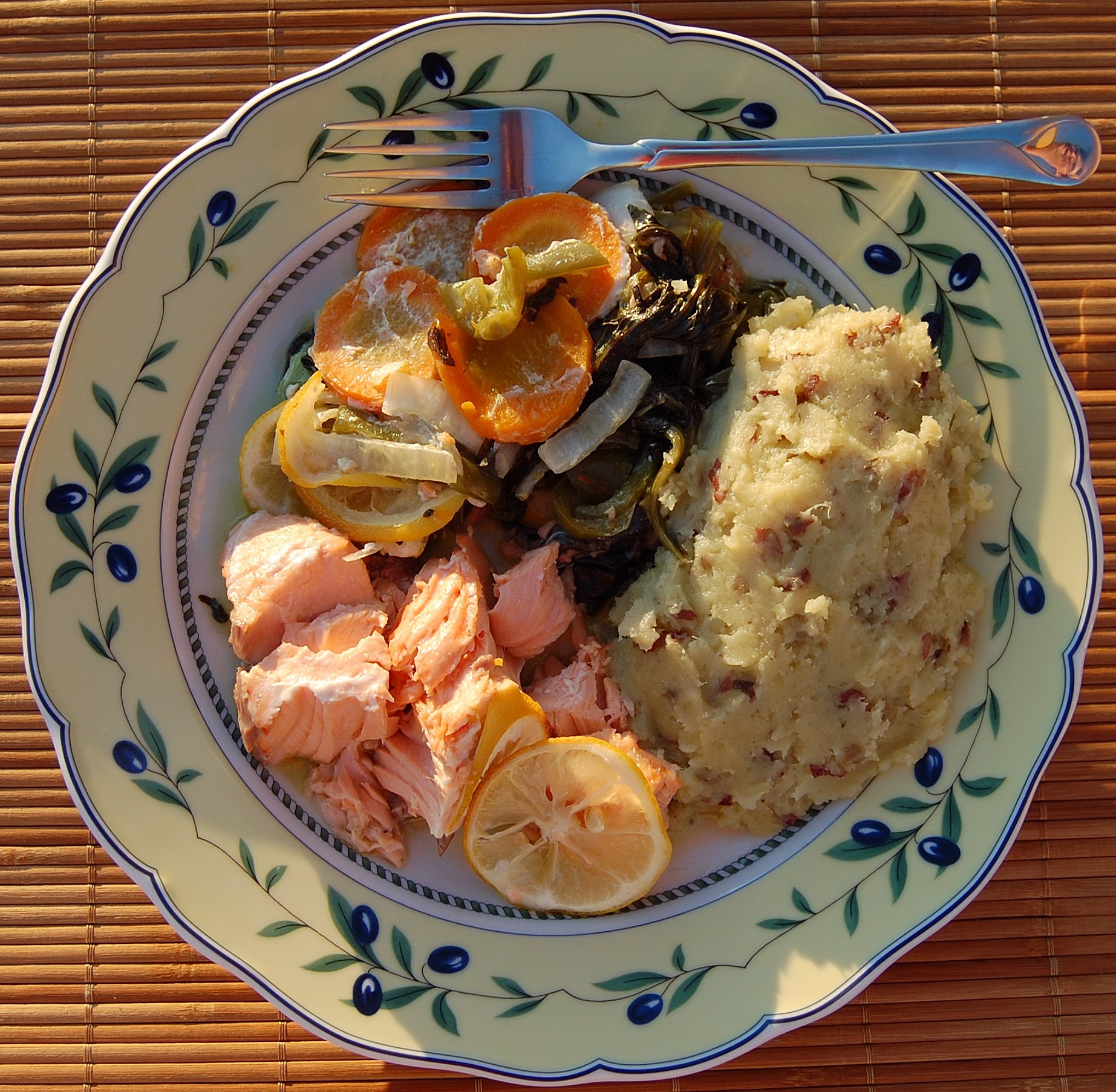

Mash the sweet potato with eggs instead of butter, and this would fit our weight loss recipe.

Conclusion

It’s a little humbling that I’ve started 2011 with 5 posts on the subject of healthy weight loss, but have only scratched the surface of this complex topic.

For instance: In the book we used the rubric “metabolic damage” to describe the biological dysfunction associated with obesity. But we never really chased the complex biology of exactly that damage consists of – and how it can best be healed.

Today, I’ve presented what I believe is the best strategy for healthy weight loss. But other techniques – such as ketogenic dieting, intermittent fasting, exercise, and more – can contribute to healing the metabolic damage of obesity. As 2011 goes on, I’ll return to this topic.

I am intensely interested in the experiences of anyone trying to lose weight using our diet, and I hope that together, we can understand the disease of obesity better, and figure out good ways to achieve both healthy weight loss and a permanent recovery from metabolic damage of all kinds. So please, if you are trying to lose weight, keep me posted on your experiences, whatever they may be!

Related Posts

From 2011:

From 2010:

About Green Tea

Erich asked what kind of tea we drink. Tea is a subject dear to our hearts, so we thought we’d discuss it today.

First, some background. Over at Planet Tea they have a useful flowchart describing how different kinds of tea are made:

The critical step is fermentation, which oxidizes the leaf and turns it black. Green tea is unfermented; oolong (wu long) is partially fermented; and black tea (in Asia, “red tea”) is highly fermented. Black tea has a longer shelf life than green tea.

Growing region matters. Mainland China is by far the world’s largest producer of tea, but China is extremely polluted and we would not trust Chinese tea. Japan and Taiwan both produce excellent green teas; we drink tea from both countries.

Taiwanese Tea

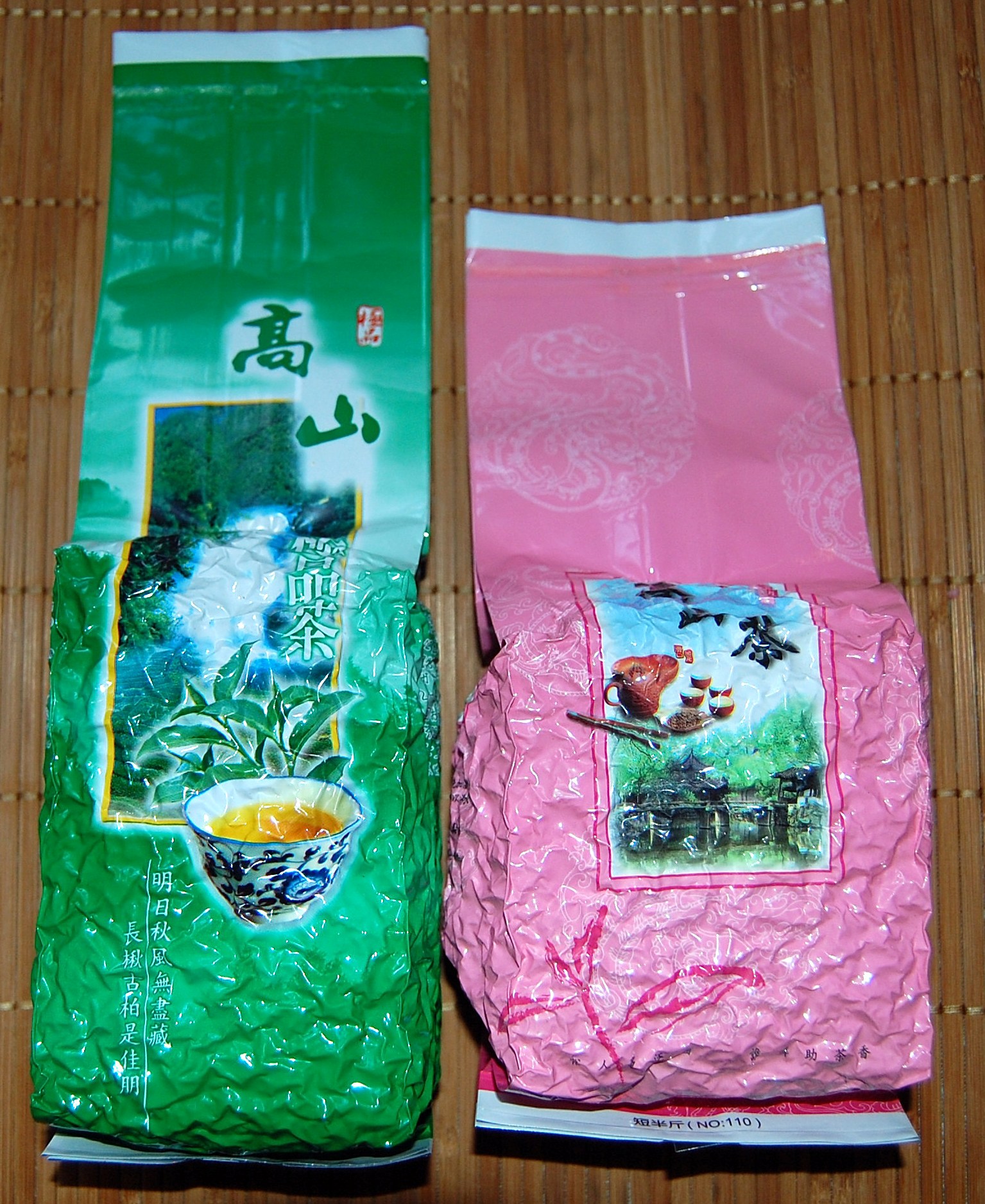
The Taiwanese teas with the highest reputation are “high mountain tea”; these are grown at high altitudes above the smog. We drink both green and oolong high mountain teas from Taiwan. Ours come in 300 g vacuum-packed packages:

The one on the left is green tea, the one on the right an oolong; both are “high mountain” teas. Each package weighs 300 g. We use about 4 g (20 leaves) of tea per day, and so a package lasts about 3 months. A single 300 g package of high quality tea may cost $100, so the total cost is about $1 per day; but multiple cups of tea may be obtained from each day’s tea.

The leaves are rolled and dried during processing, and shrivel to a very small size, then re-expand when placed in warm water. Here is what they look like:

Left — rolled and dried leaves, ready to make tea. Right — an opened bud, after being used.

The opened bud on the right gives you a good idea what the leaves look like on the tea tree. Workers pluck these small buds from the trees and place them in baskets; the finest buds are plucked early in the spring.

Aside: Some Equipment

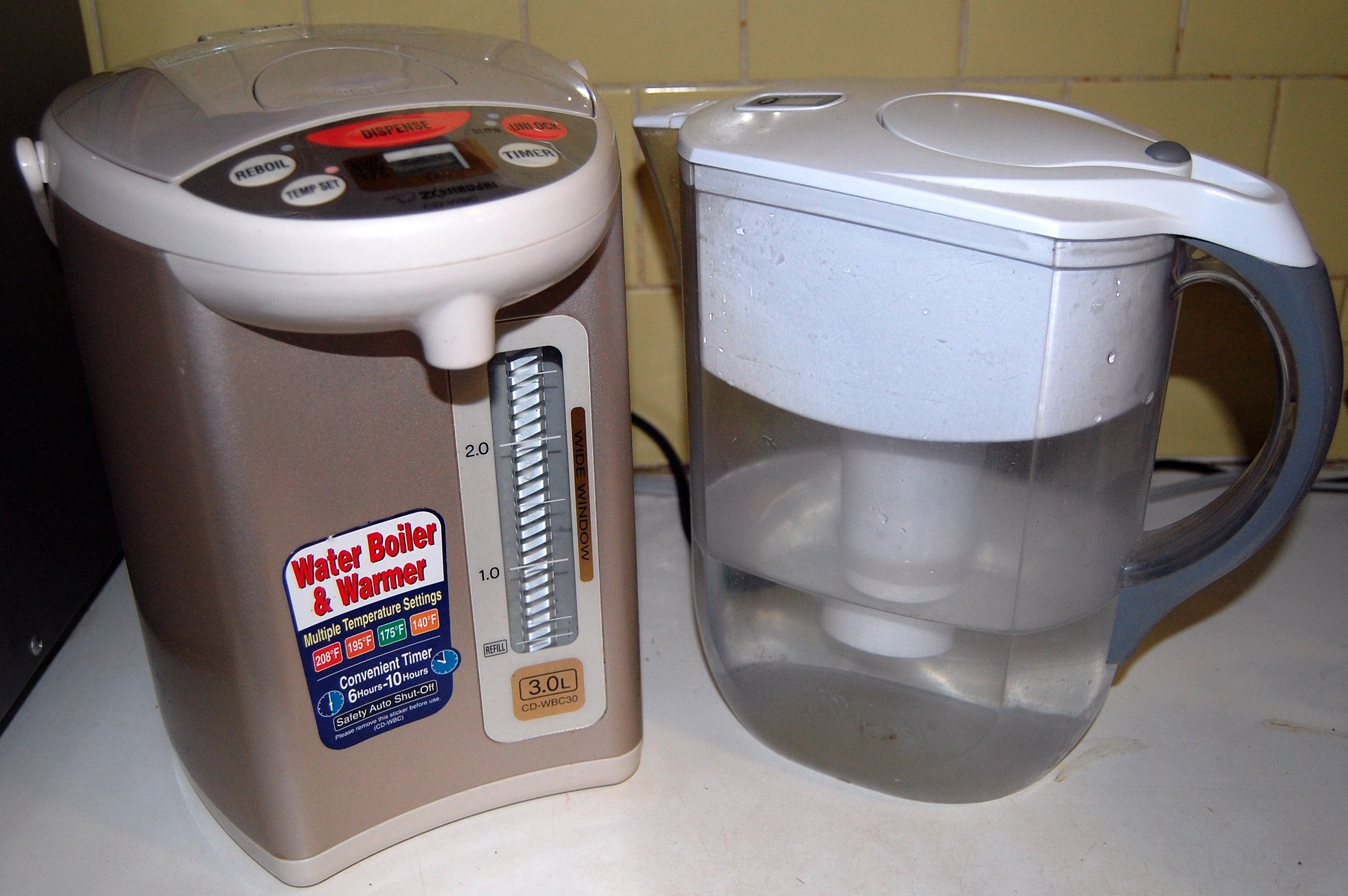
For best results it’s important to use pure water. Tap water produces a discolored tea with a foul taste. We get good results filtering our water in a Britta filter. In fact, we judge that it’s time to change the filter when our tea changes taste. The Britta instructions recommend changing the filter every two months, but we find it needs to be changed every month if our tea is to retain its flavor.

If you make tea often, it’s helpful to have a hot water dispenser, like this one from Zojirushi, along with your Britta filter:

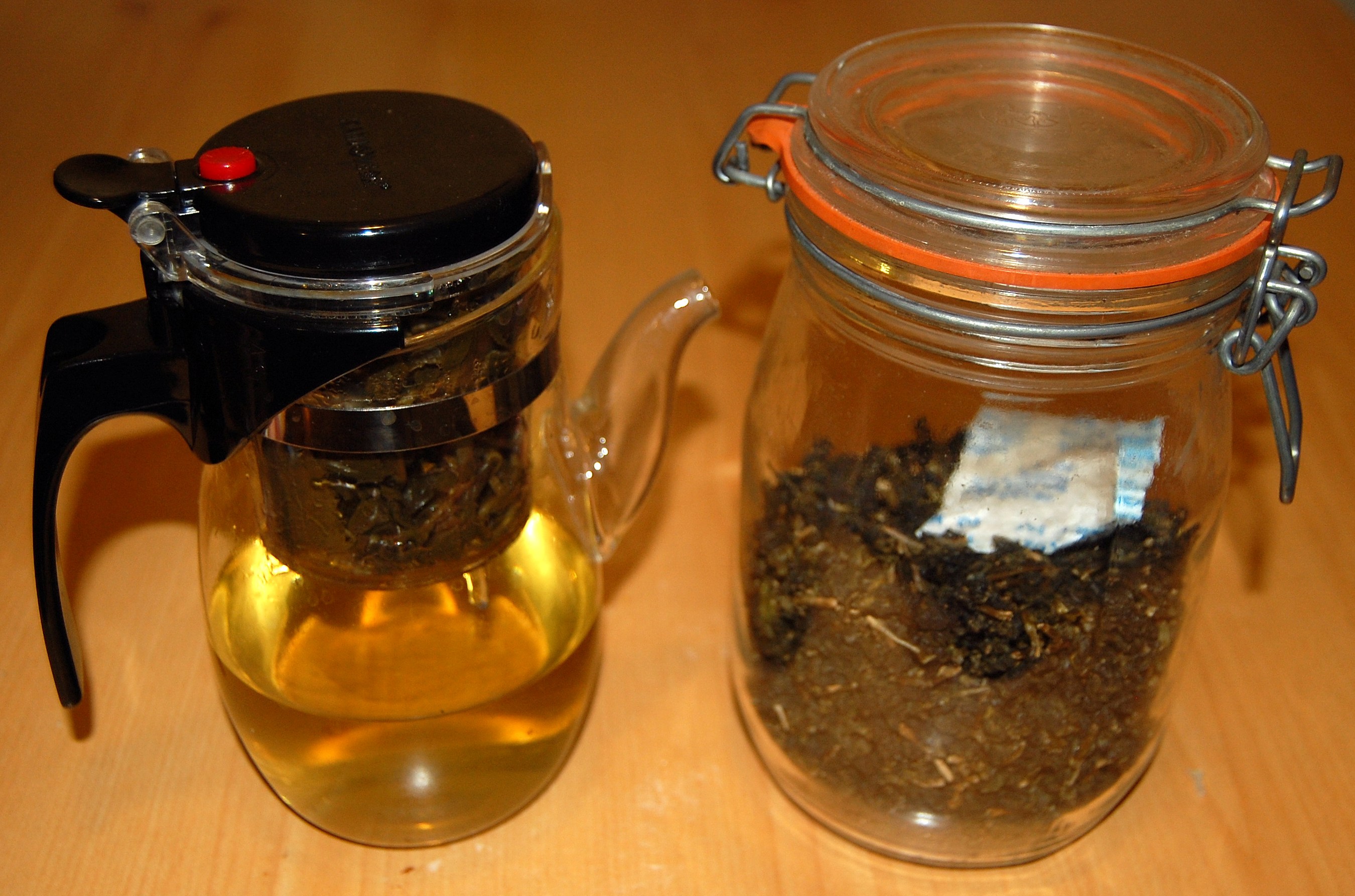
Tea is best when the leaves have steeped for about 5 minutes. Since you may take much longer to drink the tea, it’s important to steep the tea in a separate container from your drinking mug. Here’s what we use:

Left — An Asian “busy person’s” tea-pot. A container at top holds the tea leaves and enough water to make a single cup. When the leaves are done steeping, pressing the red button drains the water into the pot, after which it can be poured into a mug. Right — an airtight container we use to store our tea leaves.

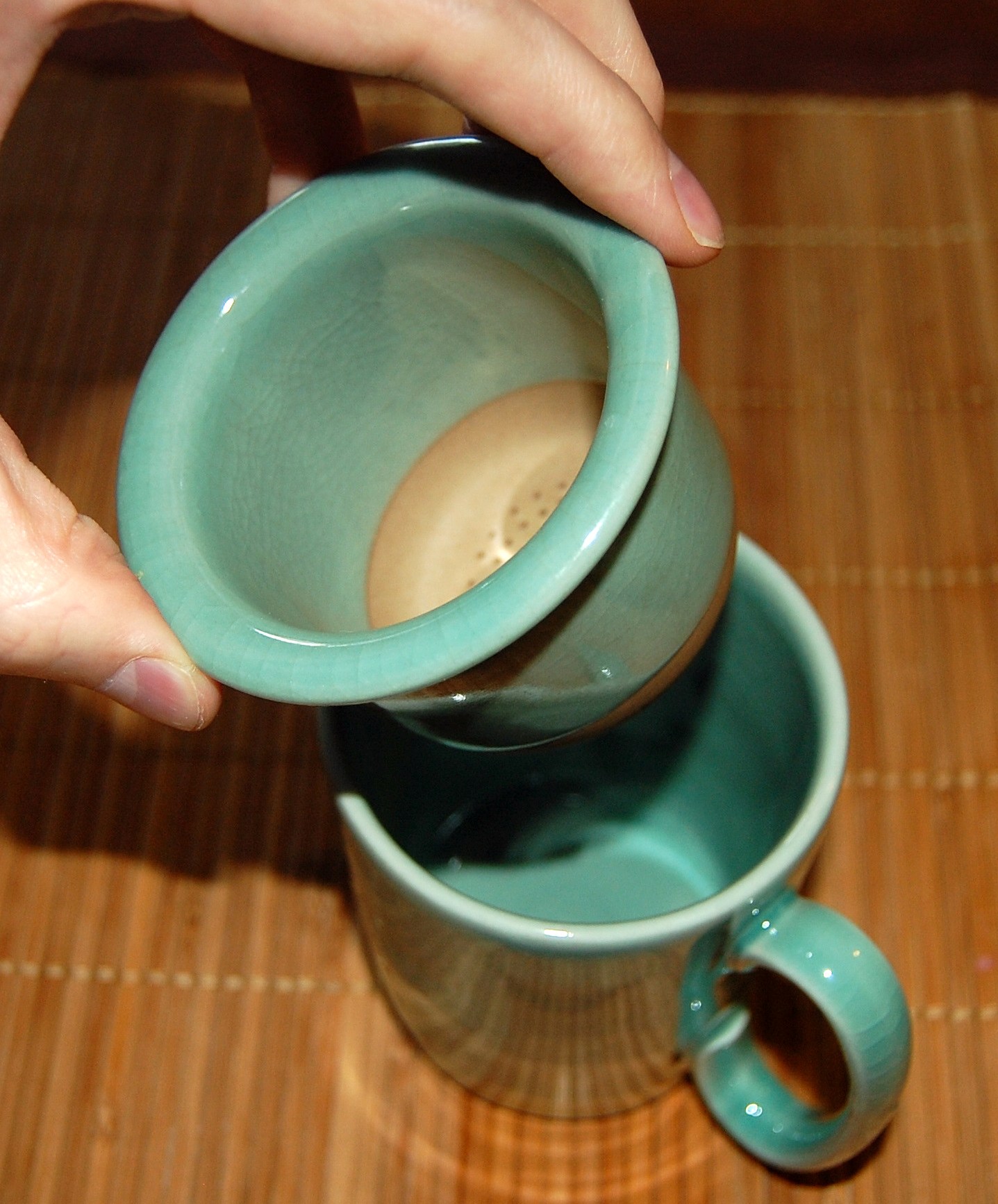
Alternatively, Asian supermarkets sell teacups in 3 parts — a mug, a container to hold the tea leaves, and a lid to cover while the tea is steeping. They look like this:

The tea leaves go in the removable upper part; when it is removed the tea drains through the holes in the bottom into the mug. After drinking a cup, the upper container with the leaves can be put back in and more hot water added to steep another cup.

Making the Tea

To make the tea, place 15-20 rolled buds into the leaf container, and add hot (near boiling) water. Taiwanese green tea typically requires 3 to 5 minutes to steep, and the tea is actually yellow, not green.

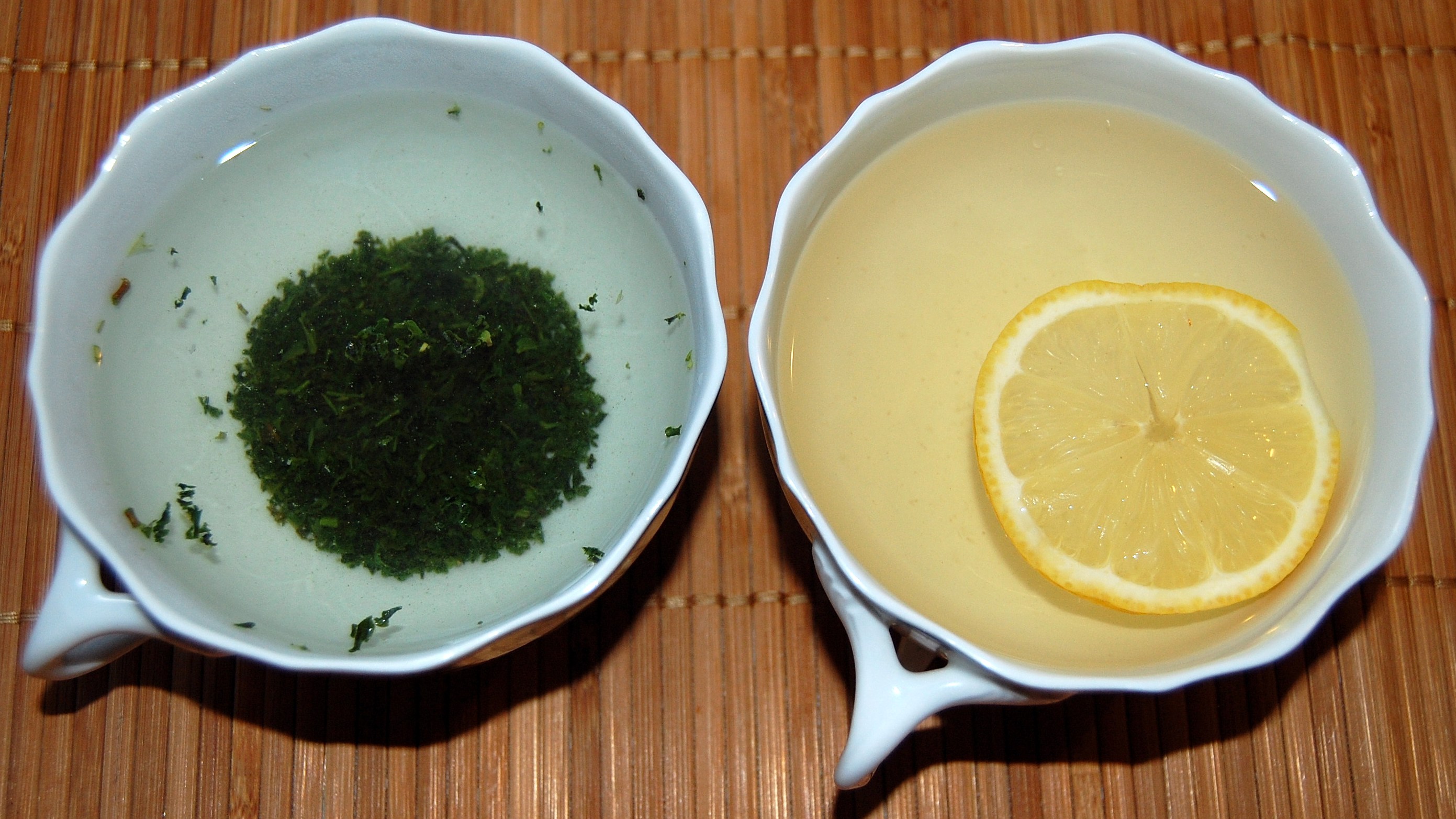
Shou-Ching likes her tea prepared the classic way. Add hot water to new leaves, and drain it after 30 seconds as the leaves just begin to open; this is thought to clean any impurities. Then add new hot water, let it steep 3 to 5 minutes, and drink this second batch. This produces a delicate, light yellow tea. Paul lets his steep a bit longer to make a slightly darker tea and adds a lemon slice. Here is what they look like:

Japanese Green Tea

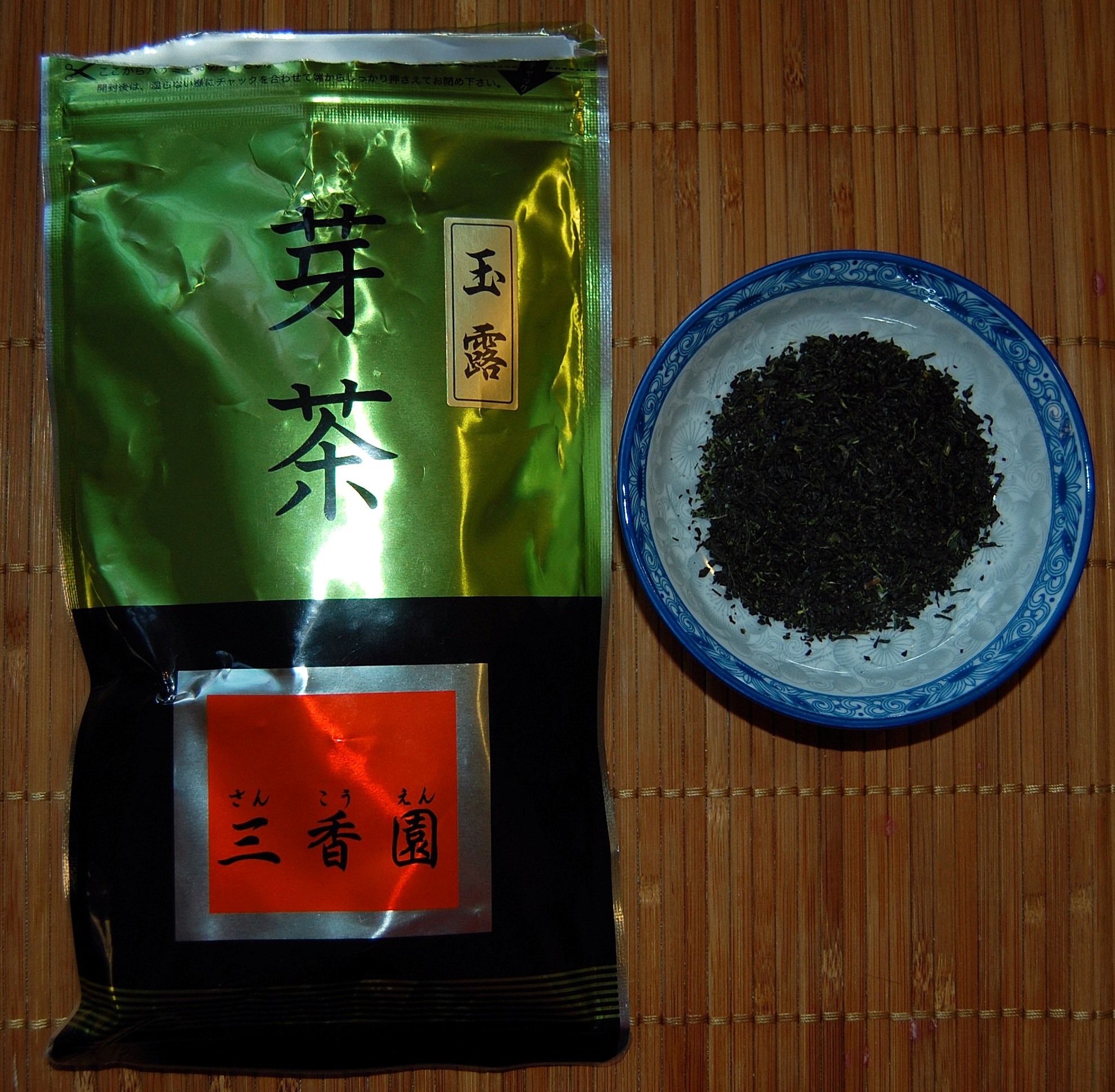
Japanese green tea is made with a different process; the tea leaves are usually crumbled, not rolled. Here is what they look like:

These crumbled tea fragments are placed directly in the teacup and produce a green-colored tea. Yes, the tea leaves can be swallowed. Here is a comparison of a cup of Japanese green tea (left) with a Taiwanese green tea (right):

Obtaining Fine Teas

We are regularly sent tea by relatives and friends in Asia, so we haven’t had to shop for tea in the US.

However, Google searches turn up a number of vendors. “Tea from Taiwan” has some good-looking teas. Reader Gary Wilson kindly wrote to recommend Upton Tea Imports. And here are some Amazon links, not all currently available:

At roughly $1 per day, fine tea is not inexpensive. However, many people spend as much or more on coffee. Paul makes 5 or 6 cups per day from a single 4 g set of leaves, so the cost averages to only $0.20 per cup.

If your only knowledge of tea is derived from the Lipton Tea Company, we very much recommend that you give fine green or oolong teas a try! You might find tea more pleasant and enjoyable than you imagined.

Alien Dance Partner Syndrome

Dr. Michael Mosley of the BBC reports, Alien Hand Syndrome sees woman attacked by her own hand:

55-year-old Karen Byrne in New Jersey … suffers from Alien Hand Syndrome.

Her left hand, and occasionally her left leg, behaves as if it were under the control of an alien intelligence.

I thought that condition must be very rare, but then I saw that it also afflicts Russian dancers (Inga Savitskaya, Moscow 2004):

Low-Protein Leanness, Melanesians, and Hara Hachi Bu

Gunther gatherer raised an interesting issue in a comment to Tuesday’s post.  Protein may be satiating in the short run; but what about the long run?

[H]igh protein keeps you full at first. But no one really knows for how long. Eventually it stops working and you find you’re eating a lot ON TOP of all the high protein you were already eating. All of us here tried Atkins long ago and fell off the bandwagon more than enough times to know it gets boring, stops working against hunger and doesn’t keep the fat off forever.

I agree. This is why we recommend a version of the normal Perfect Health Diet, which is normal — not high — in protein, for weight loss. Our diet isn’t the quickest way to lose weight, but we think it is likely to work best in the long run.

The Long-Term Effects of High-Protein Diets

I argued in Tuesday’s post that the satiating effects of protein had to be temporary, and that in the long run higher protein might cause, not reduced appetite, but only a slight change toward a leaner body composition.

A more interesting question is:  could high-protein diets be positively harmful?

Maybe!  Studies in both animals and humans indicate that eating high protein during childhood creates a predisposition for obesity in later life.

For instance, rats raised on a high-protein diet in childhood are more likely to become obese when given calorie-rich (sugar and fat) diets in adulthood. [1] The researchers conclude:

Our research demonstrating a significant susceptibility to an obese phenotype in rats weaned onto a high-protein diet and then challenged in adulthood with a high-fat high-sucrose diet suggests that lasting changes result from altering the composition of the first solid food that is consumed throughout growth into early adulthood. While all rats in this study consumed the same high energy diet during the last 6 weeks of the intervention, distinct metabolic profiles remained evident from exposure to the different diets during growth. This would suggest that these changes, either long-lasting or perhaps permanent, ultimately influenced the adiposity response of these rats to a high energy challenge in adulthood. Overall, it appears that a long-term diet high in protein, when mismatched with a high energy challenge, has negative effects on body mass and hormones and genes involved in glucose and lipid metabolism. [1]

The same phenomenon occurs in humans. In the book we mentioned a study showing that slightly higher protein level in infant formula – 9% protein vs 7% normally – caused children to become overweight two years later. [2]

So parents, let your kids follow their taste buds to high-carb, high-fat diets!

Might adult high protein diets promote later-life obesity too? I’m not aware of evidence, but I don’t think the possibility can be ruled out. I will look for evidence when I do research for two future blog series: one on protein intake, aging, and longevity; the other on connections between obesity and the human aging program.

Can You Be Lean on a Low-Protein Diet?

Tuesday’s post cited research indicating that we have a set point for protein intake: humans are genetically programmed to seek around 360 protein calories per day, and appetite becomes satiated once that is achieved.

But if protein intake determines appetite, then it seems those eating a low-protein diet face a Hobson’s choice:

  • If total calories are not increased, then the low protein dieter can expect to have a chronically unsatisfied appetite.
  • If total calories are increased, so that appetite is satisfied, then the low protein dieter can expect a higher equilibrium weight and a slightly less lean body.

Is it possible, then, to restrict protein, eat mostly carbs and fat which we know are the ingredients of appetizing desserts – and still achieve a lean healthy body, and feel comfortable? 

Yes, I believe so.

Melanesians Do It

Gunther pointed out that Melanesians are lean and long-lived on low protein diets:

I think it would be a bit fairer to include some consideration and explanation of Melanesians and their extremely low protein diet (anywhere from 10% to only 3% protein daily). Their extremely high level fitness and body composition flies in the face of all of these high protein studies.

It’s true: Kitavans, Tokelauans, and other Melanesians eat high-carb and low-protein, yet they’re noted for “extreme leanness.” [3] Why?

Well, first of all, the Melanesian islander diet is a variant of the Perfect Health Diet:  it is entirely free of food toxins. As I argued last week, eliminating toxins is the key to healthy weight regulation. But there are other factors.

Coconut Oil

The most abundant fatty acid in the diets of Kitavans and Tokelauans is lauric acid, the 12-carbon fatty acid which is the predominant fatty acid in coconut oil. [4, 5] These shorter-chain fatty acids are ketogenic and have significant effects on the body: for instance, they raise HDL levels. They also make people lean.

In one study, 8 weeks taking 1 tbsp per day coconut oil caused a significant decrease in body weight, waist size, and blood triglycerides. [6] In another, obese women who received 2 tbsp (30 ml) coconut oil per day slimmed their waist and increased HDL without an increase in LDL, while a comparison group receiving soybean oil did not slim their waist and had lower HDL with higher LDL and total cholesterol. [7]

Resistant Starch

Another feature of the Melanesian diet is that the biggest share of calories came from “safe starches” like yams, sweet potatoes, and sago.

These foods have a lot of fiber in the form of “resistant starch.” Digestion of resistant starch by colonic bacteria produces a lot of butyrate, a short-chain fatty acid that strongly promotes leanness.

For example, butyrate improves insulin sensitivity and prevents rats from becoming obese. [8]

Hara Hachi Bu

But the most reliable strategy seems to have been worked out by Asian and Pacific cultures long ago, many thousands of years ago.

The key is that if the diet is well nourishing, then appetite will be mild and easy to consciously control. What will be experienced is not hunger, which indicates malnourishment, but a mild desire for food that can easily be ignored.

There is an ancient Chinese saying:

“Eat until you are eight-tenths full, walk 100 steps after meals, live 99 years.”

In Japanese the saying is Hara Hachi Bu, eat until eight-tenths full. Hara Hachi Bu is common practice in Okinawa, where it helped produce the world’s most long-lived population.

As we note in the book, the traditional Okinawan diet is extremely close to the Perfect Health Diet: the Okinawan diet was rich in safe starches and animal fats, and near the low end of our recommended protein range: Okinawans ate about 300 g (2/3 pound) meat and fish per day.

The key here is that on a low-protein diet, eating until eight-tenths full is not a calorie-restricted diet. It is a calorie-sufficient diet that isn’t quite satiating because it is low in protein.

Intermittent fasting is a helpful part of Hara Hachi Bu. Eating only within a relatively short window each day makes it easy to keep calories down.

My Experience

I have been practicing protein restriction for several years, eating coconut oil and safe starches for several years, and practicing daily intermittent fasting for over six months. I drink tea or lemon-flavored water through the morning, and on most days eat only between 2 pm and 8 pm. If I snack during the fast it is usually either a piece of dark chocolate or some coconut oil.

I sometimes go many days eating relatively little, then eat a lot for a few days. Physical activity – sports, intense exercise, running – increases my appetite noticeably. Regardless, I never feel hungry. It is easy to complete the daily fast: some tea, sometimes with coconut oil or dark chocolate, is enough. I now do total fasting on religious fast days – for instance, I now do a 64-hour fast from Holy Thursday through Easter Sunday morning. Generally, as soon as I focus my attention on work I forget that I wanted food.

(This is a very good sign for my health, by the way. During my long chronic illness I couldn’t tolerate fasting at all.)

I haven’t noticed difficulty adding muscle when I work out. I believe I would add muscle more easily on a higher-protein diet, but as it is I add muscle more easily than I used to on the standard American diet. I’m content with my body composition.

Conclusion

I am convinced that by eating coconut oil, getting carbs from safe starches, and practicing intermittent fasting and Hara Hachi Bu, most people can become well-muscled and lean on a low-protein diet without any sense of hardship.

Since a carb-fat mix is the classic recipe for dessert, this makes for an extremely tasty diet.

If you want the surest way to lose weight over the next few days, eat a high-protein diet. But if you want a long-term diet that maximizes longevity by restricting protein, consider eating a tablespoon or two of coconut oil per day, fasting for 16 hours a day, and finishing your meal eight-tenths full.  

If you walk a hundred steps after dinner, you just might become a healthy centenarian!

References

[1] Maurer AD et al. Consumption of diets high in prebiotic fiber or protein during growth influences the response to a high fat and sucrose diet in adulthood in rats. Nutr Metab (Lond). 2010 Sep 29;7:77. http://pmid.us/20920272.

[2] European Childhood Obesity Trial Study Group. Lower protein in infant formula is associated with lower weight up to age 2 y: a randomized clinical trial. Am J Clin Nutr. 2009 Jun;89(6):1836-45. http://pmid.us/19386747.

[3] Lindeberg S et al. Haemostatic variables in Pacific Islanders apparently free from stroke and ischaemic heart disease–the Kitava Study. Thromb Haemost. 1997 Jan;77(1):94-8. http://pmid.us/9031456.

[4] Lindeberg S et al. Lipoprotein composition and serum cholesterol ester fatty acids in nonwesternized Melanesians. Lipids. 1996 Feb;31(2):153-8. http://pmid.us/8835402.

[5] Lindeberg S, Vessby B. Fatty acid composition of cholesterol esters and serum tocopherols in Melanesians apparently free from cardiovascular disease – the Kitava study. Nutr Metab Cardiovasc Dis. 1995; 5: 45-53.

[6] Xue C et al. Consumption of medium- and long-chain triacylglycerols decreases body fat and blood triglyceride in Chinese hypertriglyceridemic subjects. Eur J Clin Nutr. 2009 Jul;63(7):879-86. http://pmid.us/19156155.

[7] Assunção ML et al. Effects of dietary coconut oil on the biochemical and anthropometric profiles of women presenting abdominal obesity.  Lipids. 2009 Jul;44(7):593-601. http://pmid.us/19437058.

[8] Gao Z et al. Butyrate improves insulin sensitivity and increases energy expenditure in mice. Diabetes. 2009 Jul;58(7):1509-17. http://pmid.us/19366864.