



Around the Web; Congratulations Naomi Edition

I had a great time talking to Sean Croxton on his Underground Wellness radio show Thursday night; check out the show here. I’m excited to be participating in Sean’s upcoming “Paleo Summit.” And it was nice to see that Miriam Knight of New Consciousness Review put our chat on Youtube.

Shou-Ching and I pleased to be blogging at Psychology Today. We join some great writers there, including Dr. Emily Deans and Dr. Kurt Harris, and are looking forward to introducing our ideas to a new audience.

[1] Reader Results: I’m always excited when readers report results. Here are a few from this week.

Naomi has recovered from longstanding digestive troubles:

Hi Paul, I have incredible news, my food intolerances are gone!! I just returned from a trip to India and Nepal, and while on the trip discovered I could eat anything with no reaction. If you recall from my questions in the Q&A section, I had severe histamine intolerance and fructose intolerance. After doing GAPS + buckwheat (but no ferments) for 7-8 months last year, I got worse, but after adding rice, via PHD and supplementing Vit C and D last fall, I felt a lot better, but still had the severe intolerances. I took ivermectin in early December after my stool test indicated the parasite strongyloides, but there was no noticeable change. For the trip to India, my doctor recommended artemisinin, 200 mg 2 x a day for prevention of malaria. I started it 2 weeks before the trip and had 3 days of mild die-off. It took about 2 weeks before I realized I could eat anything. Now that I am home, I cannot wait to add ferments or many of the simple things like tomatoes that I could not tolerate before.

I definitely credit PHD as well as your thinking about infection and parasites for helping me. Thank you so much.

I’m very happy for Naomi. Her case is also a capsule summary of our strategy for healing disease; disease is caused by bad diets and infections, so the strategy is to fix the diet, diagnose pathogens, and then optimize diet for that type of pathogen and take antimicrobial medicines as appropriate. Sometimes diagnosis is impossible, and it is worthwhile to just experiment with antimicrobial medicines. Artemisinin is known to work against protozoa such as plasmodium which causes malaria and trematode worms which cause schistosomiasis; perhaps it also works against the nematode worm strongyloides, or perhaps the stool test got her pathogen wrong. In any case, congratulations Naomi!

Naomi’s failure on GAPS recalls an observation I made in my Weston A Price Foundation Wise Traditions talk, which was discussed a bit on the Internet afterward. Natasha Campbell-McBride’s GAPS diet is a great approach, generally speaking, for bacterial dysbiosis of the gut, but isn’t necessarily optimal for infections with eukaryotic pathogens like fungi, protozoa, and parasitic worms. No one diet is perfect for every gut problem – as we wrote this week, “All healthy persons are alike; each unhealthy person is unhealthy in his own way.”

Helena reports:

Hi Paul, Thank you again! You helped my mom who has suffered with chronic constipation for 60 plus years. She had taken Senna for decades. I read your post about using Magnesium Citrate instead. It works like a charm and she is no longer taking toxic Senna. Thank you!

Think about this: Helena’s mom was magnesium deficient for 60 years, suffered constipation as a result, and never got the problem diagnosed or fixed. This says something about how easy it is to be magnesium deficient in today’s world, and how unaware people are about the need for key nutrients.

Finally, Ole reported his progress:

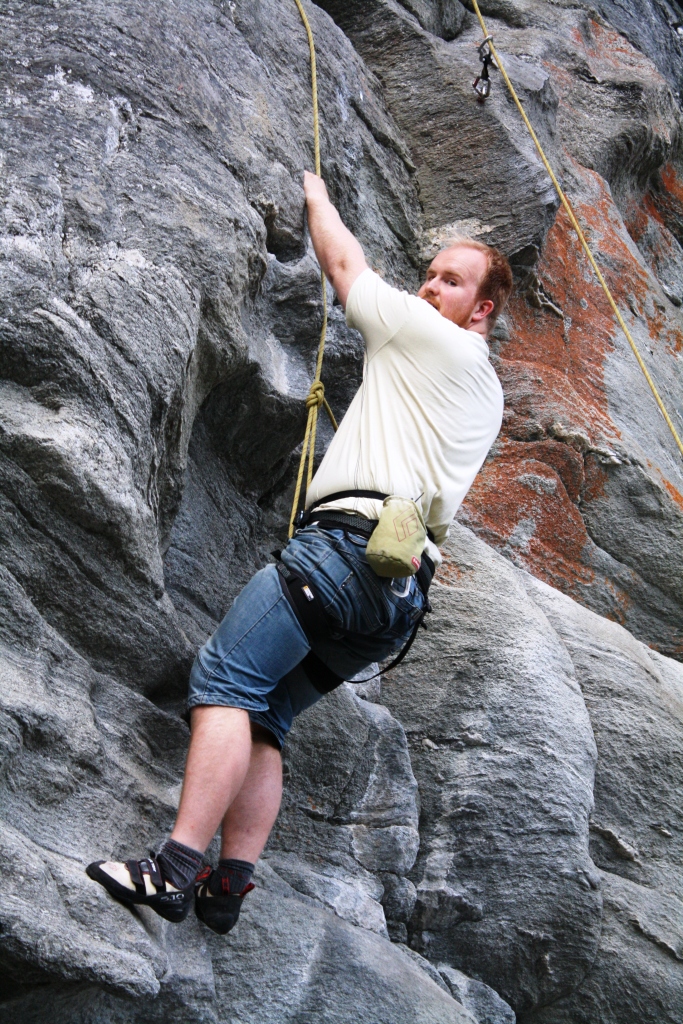
Here is a short summary of my time on the PHD: I have been on the PHD diet for over a year now. (I bought the draft version in September 2010). My health has improved a lot. I have lost about 25kg and I’m now about 87kg (i’m 185cm tall). I’m probably healthier than an average person on just about any performance metric.

On his blog Ole shared “before” (2010) and “midway through” (summer 2011) photos:
[2] Music to read by: Via Craig Newmark, here is They Might Be Giants covering “Tubthumping” by Chumbawumba at A.V. Club:


They Might Be Giants covers Chumbawamba

[3] Interesting Items This Week:

In the book and the post What Makes a Supercentenarian? (Aug 18, 2010) we discuss supercentenarian diets, and find they’re almost always Perfect Health Diet compatible. Dr. Daniel Chong, a naturopathic doctor and primary care physician in Portland Oregon who recommends our diet, reports another example: the oldest woman in the world, age 121, eats “grilled meat, monkey, fish, manioc (a root vegetable), and banana porridge. She does not eat salt, sugar, or any processed foods.”

Jamie Scott compiles evidence against omega-6 fats. All of Jamie’s posts are good, but this one is really good.

At RobbWolf.com, Roman Sasik, Ph.D., argues that chlorella may be dangerous, because it carries giant viruses and is rich in LPS to which chronic exposure is dangerous. CarbSane objects to stevia, xylitol, and erythritol.

Dan’s Plan has a nice discussion of Paula Deen’s decision to treat diabetes with drugs, not diet.

Peter Dobromylskyj of Hyperlipid comments on Stephan Guyenet’s recent paper: Peter argues that injury to the hypothalamus increases adipose insulin sensitivity leading to a free fatty acid deficiency, after which obesity is an adaptation that normalizes free fatty acid levels.

Matt Stone argues the case for ice cream: “[I]ce cream is not only healthy, but far healthier than most human breast milk.” Of course, it’s not an either-or situation.

Seth Roberts comments on Tara Parker-Pope’s “The Fat Trap”: Its defects were what it didn’t say.

Are GMO foods safe? Brian Cormack Carr quotes from our book’s discussion of why genetically modified foods can be unsafe and need to be screened for safety. Elsewhere, Emily Willingham in Slate supports GMO foods against a critique by Ari LeVaux in the Atlantic. Unfortunately, LeVaux doesn’t seem to know much biology and cites unlikely mechanisms, such as miRNA, for potential harm from GMO foods. (Monsanto responds with a nice commentary on the Zhang et al. paper we commented on earlier.) Neither article states precisely what safety testing is currently being done on GMO foods. What is needed is careful testing for the levels of all natural plant toxins. Is this being done? I don’t know.

Prof Dr Andro calls a high-fat diet “exercise in a pill.”

John J. Ray reports that men over 6 feet tall have a 24% lower risk of heart failure.

LymeMD:  “Idiopathic means the doctor is an idiot and the patient is pathological.”

A student revolt may mean the end of “healthy” food in the Los Angeles schools: “The complaints have been heard … and dishes like quinoa salads and brown rice cutlets are out.”

The Economist (hat tip: Brad) and The Scientist report on a new paper showing that exercise may improve health by inducing autophagy. Here’s the Pubmed abstract. What’s exciting about the research is that exercise induces autophagy not just in muscles and the heart, but in organs like the liver and pancreas. This gives us a mechanism by which exercise will be therapeutic for diabetes and metabolic syndrome.

Joshua Newman makes a powerful case for exercise.

Richard Fernandez ponders whether the FDA is on the side of the microbes.

Conrad’s Dairy Farm finds that it’s good business to give their cows waterbeds. Here’s a video:

[4] Some items I may do posts on: First, two critiques of our diet:

  • Travis Culp complains that we like butter too much; it’s the Pastoral Diet.
  • Danny Roddy complains that we don’t like sugar enough; it’s a Fructose-Deficient Diet.

I started writing a response but it’s too long for inclusion in this Around the Web.

Second, Dr Emily Deans has an important post: Tylenol and Autism? Paul Whiteley contributes a good comment to the post. Moms, don’t give your kids acetaminophen (paracetamol), and I wouldn’t take it during pregnancy either.

Third, Chris Kresser did an outstanding post on GERD, arguing that GERD is an inflammatory disease characterized by autoimmune attacks on the esophagus. I’ve been meaning to do a post or series on acid reflux and this fills in one of the missing pieces.

[5] Cute animal: Via Kamal Patel and reddit.com, a Galapagos Island seal:

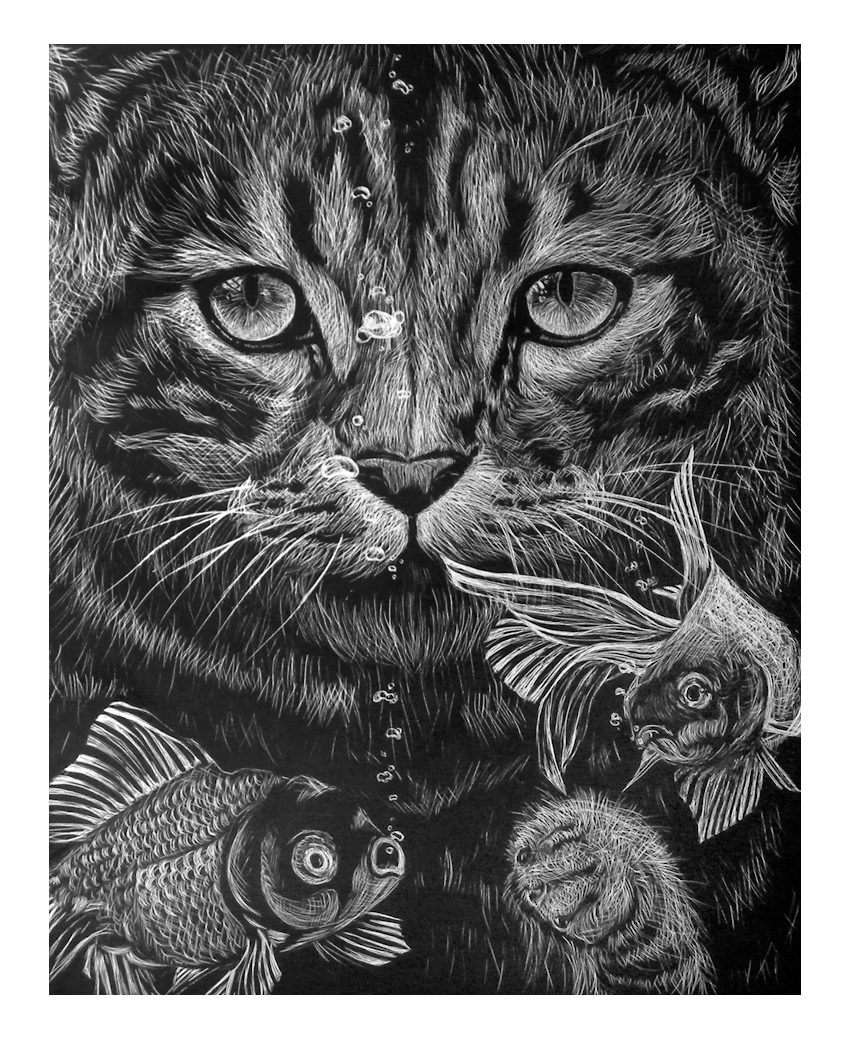
[6] Scary animal?: Those who have read the verso page of our book may have noticed that our niece, Seo Jung, did a few illustrations. Here’s a recent drawing she made:
[6] Notable comments this week:

Dr. Ricardo de Souza Pereira left a comment telling us how to buy his Protexid supplement for acid reflux. Michael Eades once blogged about this supplement.

Lucas Tafur notes that ketogenic diets suppress leukocyte chemotaxis and phagocytosis, and increase vulnerability to tuberculosis and staph infections.

Rhonda W of the National Starch Company reflects on the benefits of resistant starch, a fiber found in starchy foods. She favors cornstarch, we favor safe starches like potatoes as a source of resistant starch.

Mehlinda provides us with a student video I found fascinating. It turns out many supermarket potatoes are sprayed with Bud Nip, a herbicide and sprout suppressant:

[7] Not the Weekly Video:

Via Yoni Freedhoff, who claims he almost got his bride to process to the Imperial Death March.

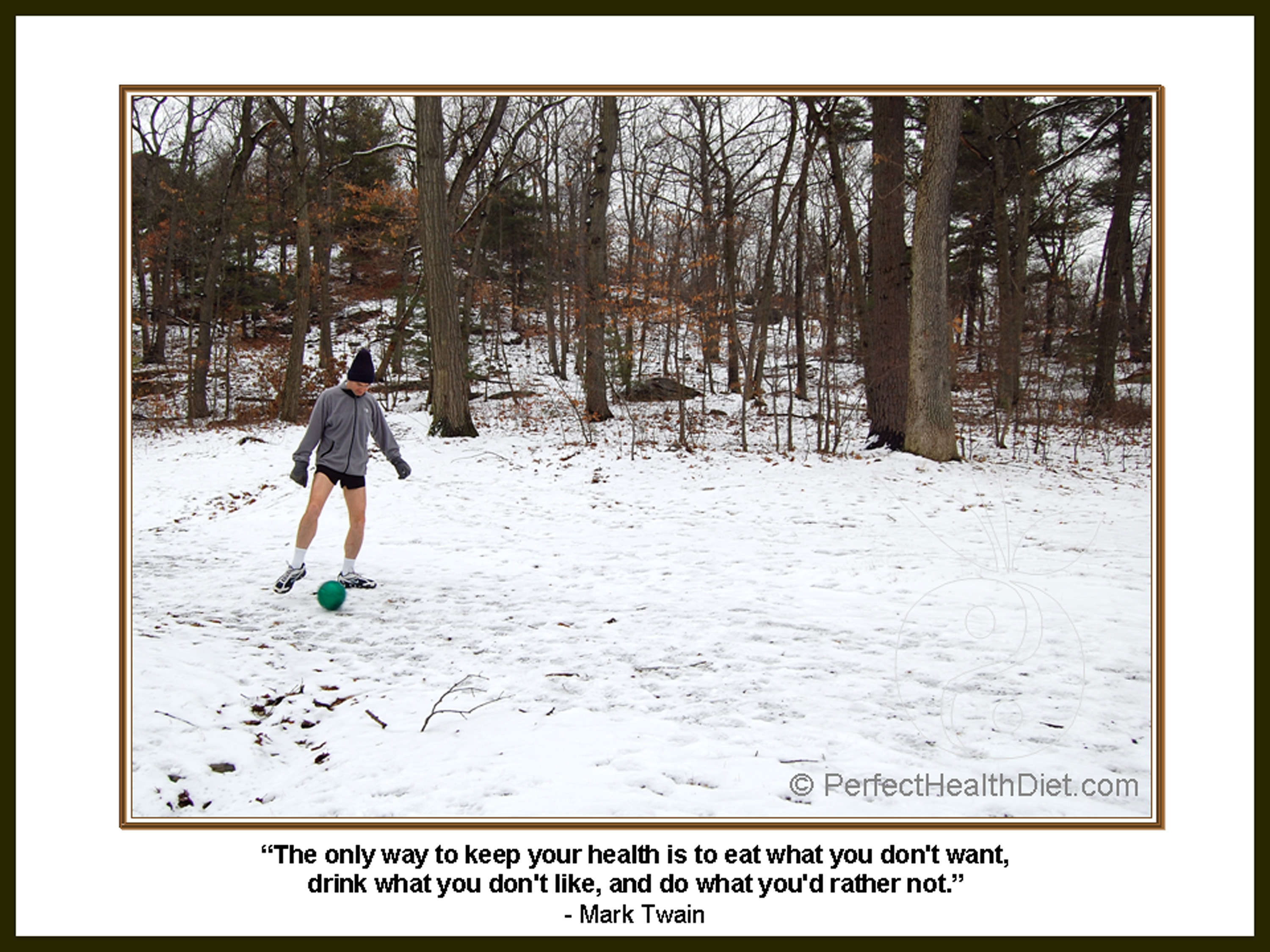
[8] Shou-Ching’s Photo Art: I disagree with this one:
[9] Weekly Video:

Via John Durant.
Is There a Perfect Diet?

We’ve begun blogging at Psychology Today, and I figured I’d start with an introduction to our diet. This is a slightly altered version of our first post there. — Paul

“All healthy persons are alike; each unhealthy person is unhealthy in his own way.”

If Tolstoy were a diet-and-health blogger, this might be how he would begin.

All healthy persons are alike

The composition of cells hasn’t changed much since the origin of complex multi-cellular life about 500 million years. Apart from water, the major components are fatty membranes and proteins. More than half the proteins are glycosylated – bonded to glucose-derived carbohydrates. These compounds – fats, proteins, and glucose – are the basic “macronutrients” needed by cells. In organisms, these cells are supported by an extracellular matrix composed of glycans and proteins; this matrix is mineralized in bones and teeth.

Why do animal species differ in their nutritional needs? Actually, nutrient needs differ remarkably little across the animal kingdom. This is why animals comprise “food” for one another: the ingredients of all animals are the same, so one animal nourishes another.

It is also why breast milk varies little across all mammalian species: the composition of cow’s milk is not much different from the composition of lion milk, for instance – or human milk for that matter.

Human nutrient needs differ from those of other mammals chiefly by virtue of our larger brains, which are rich in omega-3 fats and require extra glucose for energy. But large brains only modestly tweak the needed macronutrients: compared to other mammals, an extra 10-15% of calories as glucose, and an extra 1% of calories as omega-3 fats, are more than sufficient to nourish a human.

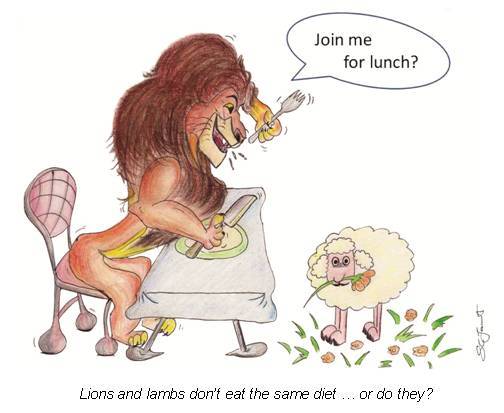
If all animals are alike in their nutrient needs, why are diets so different? Why don’t lions sup with lambs?

It turns out that what differs among the animals is the composition of the digestive tract. Animals have evolved digestive tracts and livers to transform diverse food inputs into the uniform set of nutrients that all need. Herbivores have foregut organs such as rumens or hindgut chambers for fermenting carbohydrates, turning them into fats and volatile acids that can be used to manufacture fats. Carnivores have livers capable of turning protein into glucose and fat.

When we look past the digestive tract at what nutrients are actually delivered to the body, all mammals obtain a remarkably similar set of nutrients. By calories, mammalian diets are always composed of a majority, typically 50-75%, of saturated and monounsaturated fats (including the short-chain fatty acids produced by fermentation of fiber); a mix of carbohydrates and protein, usually totaling around 25-40%; and a modest amount of polyunsaturated fat, typically less than 10%.

If diets differ because of digestive tract differences, we should expect the same pattern to recur in humans. All humans have the same nutrient needs, but our optimal food intake may vary if our digestive tracts differ.

In fact there is evidence for variations in digestive tract structure among human populations. Melissa McEwen has summarized evidence that Africans have slightly larger colons, suggesting a slightly more plant-focused evolutionary diet, and Europeans have slightly smaller colons, suggesting a more animal-focused evolutionary diet [1, 2].

Longer colons allow more fermentation of plant fiber, but they don’t dramatically change macronutrient ratios of the diet. Across human populations, the optimal human diet probably doesn’t vary in any macronutrient by more than 5% of energy or so.

So there is little support for a “blood type diet” or “metabolic type” with significantly different food needs. All healthy people can and should eat a similar diet – one that approximates to our body’s nutrient needs.

Each Unhealthy Person is Unhealthy in his Own Way

What are the causes of ill health? We believe there are three fundamental causes of ill health: malnutrition, toxins, and infectious pathogens.

There are dozens of elemental nutrients – vitamins, minerals, and biological compounds – whose absence in the diet can impair health. Many thousands of toxins, totaling several grams in weight daily, enter the human body; as Bruce Ames and Lois Gold have shown [3], plants make a host of natural food toxins, and food storage and cooking create more. Finally, we are continually exposed to microbes; there are probably hundreds of pathogens capable of establishing human infections.

It doesn’t take a mathematician to see that there myriad possible combinations of malnutrition, poisoning, and infection. The causes of disease are legion; it’s no surprise that the manifestations are so various. The number of possible combinations of disease causes is more than the number of humans. To a first approximation, every disease is unique.

Each combination of causes will affect the optimal diet in a different way. People who are malnourished will benefit from getting more of the things they are malnourished in, and perhaps less of others which balance those – as reducing zinc may help someone who is copper deficient, or reducing omega-6 fats may help someone who is omega-3 deficient. People exposed to toxins may benefit from an extra dose of toxin-metabolizing nutrients. People with infections may benefit from diets which starve pathogens of needed nutrients, or which support immune function. People with gut dysbioses may benefit from removing or reducing whole classes of foods – starches, fructose, FODMAPs, fiber, even protein.

Infections can make a big difference in the optimal diet. Ketogenic diets, which starve the brain of glucose but feed it with small molecules derived from fats, are highly effective against bacterial infections of the central nervous system, since bacteria depend on glucose metabolism. But hepatitis B and C viruses can utilize the process of gluconeogenesis – manufacture of glucose from protein – for their own benefit, so people with hepatitis benefit from higher carb diets.

Other pathologies disrupt the ability to handle certain nutrients. Diabetes is characterized by an inability to secrete insulin, and diabetics usually benefit from low-carb diets. Migraines, like epilepsy, may be caused by genetic or other impairments to brain glucose metabolism, and can often be cured by ketogenic diets, as several of our readers have discovered.

With ill health, the optimal diet often changes. Sick people often have to tweak their diet, and the nature of the change varies with the nature of the pathology.

Diet Can Be a Diagnostic and Therapeutic Tool

Precisely for this reason, diet and nutrition have a valuable place in the healer’s arsenal. A sick person’s response to dietary changes can be informative about the nature of his pathology.

For instance, ketogenic diets are therapeutic for bacterial and viral infections, but can feed protozoa, fungi, and worms (which have mitochondria and can metabolize ketones). Response to a ketogenic diet can help expose the nature of an infectious pathogen.

Because neurons are dependent on glucose or ketones for energy, any pathology which disrupts glucose utilization will cause neuronal starvation, and neurological and psychological distress, which can be relieved by provision of ketones. A well-designed, nourishing ketogenic diet may often ameliorate psychiatric and neurologic disorders.

Dietary tactics can help prevent as well as treat disease. For instance, fasting upregulates autophagy (“self-eating”), the cellular mechanism for recycling damaged or unnecessary components. But autophagy is a central part of the innate immune system; it is how cells destroy invading microbes. Intermittent fasting as a regular practice helps keep the body infection-free, and during intracellular infections refraining from food is often a helpful strategy.

For some pathogens, on the other hand, providing the immune system with plenty of food is usually a better strategy. “Feed a cold, starve a fever” – or is it the other way around? Your body will usually tell you what to do, suppressing or promoting hunger as needed.

Conclusion

There is no one diet that is perfect for everyone, but that is mainly because not everyone is healthy.

Fortunately, healthy people are generally alike in their dietary requirements. We can identify a diet that is very good for nearly everyone, and can tweak that diet in various ways to help diagnose and heal diseases. That is the goal of our book, Perfect Health Diet, and of this blog.

References

[1] Katsarski M, Singh U. [Anatomical characteristics of the sigmoid intestine and their relationship to sigmoid volvulus among the population of Uganda and the city of Plovdiv, Bulgaria]. Khirurgiia (Sofiia). 1977;30(2):159-63. http://pmid.us/916568.

[2] Madiba TE, Haffajee MR. Sigmoid colon morphology in the population groups of Durban, South Africa, with special reference to sigmoid volvulus. Clin Anat. 2011 May;24(4):441-53. http://pmid.us/21480385.

[3] Ames BN, Gold LS. Paracelsus to parascience: the environmental cancer distraction. Mutation Research 2000 Jan 17; 447(1):3-13. http://pmid.us/10686303.

Around the Web: Bears in the Woods Edition

My apologies: I have been busy with work obligations lately. I hope to return to a regular blogging schedule soon.

[1] News: The recent flurry of interviews is winding down:

Second, Shou-Ching and I have been invited to blog at Psychology Today, and we’ve accepted. We’ll mostly be cross-posting similar posts at both sites, but we may write some original posts introducing our diet to that audience.

Finally, I’m going to be speaking at Paleo(fx) in Austin, Texas, March 14-17.

[2] Music to Read By: Last week’s IZ video was popular so let’s try one more: “What a Wonderful World”:

[3] Interesting Items This Week:

Adventures in food reward: Eating from a red plate and drinking from a red cup causes people to eat 40% less food. (Via John J. Ray) Quiz for Stephan: What’s the better weight loss plan: Gourmet food on a red plate, or bland food on a white plate?

I mentioned Stabby Raccoon’s binge drinking protocol last week. I didn’t mention that Stabby is from Alberta, Canada; and that the closer you live to Stabby, the more likely you are to need his protocol. Here are the percentage of binge drinkers in each state, according to the New York Times:

Gregory Cochran ponders why anyone ever thought genetic mutations would be the cause of common diseases.

Dr. Brownstein claims that bromine toxins can be passed from parents to offspring, impairing their thyroid function. Salt and iodine supplementation both help excrete bromine.

Pal Jabekk discusses “the carnivore connection” to obesity: the Paleo environment selected for insulin resistance, the modern environment for insulin sensitivity.

Dr. Jack Kruse advises a patient to try a Paleo diet for 30 days in an attempt to avert surgery.

CarbSane discusses irisin, an exercise hormone that assists weight loss.

Bix tells us why TV chef Paula Deen “can’t keep pushing mac and cheese and deep-fried Twinkies.”

“Circadian rhythm therapies,” such as sociability and looking at human faces, improve health; Chris Kresser makes a case for nature as an effective therapy. I know it always makes Shou-Ching and me feel better. (Note to Steve: I first wrote “Shou-Ching and I” and then remembered you.)

In some hard-to-diagnose cases, Lyme MD says, “Acupuncture and traditional Chinese herbal therapy would be much better than what I have to offer.”

Chris Highcock reports that obesity-promoting gut flora protect against heart attacks by suppressing leptin, which worsens heart attacks.

Cheeseslave is embarrassed. Her waist to hip ratio is too high: 0.72.

Derrick Martin believes “macrobiology” is being neglected.

Paleo Pepper discusses causes of PCOS.

Via Tyler Cowen, a neat story on the communion wafer industry. Sister Lynn of the Benedictine Sisters of Perpetual Adoration learned how to make gluten-free wafers:

We eventually made a bread that worked with .01% gluten content [as compared to the 12-14% in normal communion wafers]… The Church said that was acceptable to them, so we gave the breads to people with coeliac’s [sic] disease and they had no reactions whatsoever.

A rare white penguin has been spotted in Antarctica:

Economists find that fasting during early pregnancy impairs the child’s intelligence.

Argentine President Christina Fernandez had her thyroid removed for fear of thyroid cancer, but it was a false alarm – her thyroid was fine.

Cygnia Rapp, the creator of Melt Organic Butter Spread, gave a very nice review of our book. She’s an organic food producer in Idaho.

New York City really does have a modern caveman. No, it’s not John Durant! But what is his diet?

Stephan addresses an issue – physiological insulin resistance on low-carb diets – we discussed in our reply to Ron Rosedale:

The first study to address this question was published in 1935 by Dr. H.P. Himsworth (Himsworth HP. Clin Sci 2:67. 1935).  He found that insulin sensitivity was increased by feeding a high-carbohydrate diet and decreased by feeding a low-carbohydrate diet, but these effects were only observed at very high (70-80%) and very low (less than 10%) carbohydrate intakes, respectively.

[4] Cute animal:

Via Yves Smith.

[5] New Papers and Books This Week:

Congratulations to two top Paleo bloggers who published new papers this week:

  • Chris Masterjohn has a new review paper, here, on the therapeutic potential of green tea.
  • Stephan Guyenet has a new review paper, here, on the regulation of food intake and body mass in obesity.

Richard Nikoley’s new book, Free The Animal: Lose Weight & Fat With The Paleo Diet, has come out. From the cover image I at first thought the title was “Beyond the Blog,” and even Richard refers to it as “My ‘Beyond the Blog’ Book”. Congratulations, Richard.

Finally, Chris Highcock of Conditioning Research has come out with an ebook, Hillfit: Strength. The booklet is available for download from www.hillfit.com. I was able to read a copy and it is excellent.

His booklet is an introduction to fitness. It is designed to help readers develop versatile and functional strength that enables them to excel at natural human movement. Chris breaks strength down into 5 basic functional patterns – two upper body patterns (pushing and pulling), two lower body (squatting and hip-hinging), and one whole body (running/hiking) – and shows exercises that can be done indoors without equipment to develop strength in all five patterns.

Although this is marketed as a booklet to make you “Hillfit”, ie good at moving over mountains and hills, it could just as well have been titled “Lifefit.”

Congratulations on an excellent book, Chris.

PS – Doug McGuff also has a review. Doug had a great week as well, he was interviewed by Dr Mercola and sold a lot of copies of Body By Science.

[6] Of Safe Starches and Ketogenic Dieting: Lucas Tafur discusses safe starches and blood glucose. He adds:

Despite my obvious differences with Paul (33), his dietary advice is very reasonable and his diet is the first I recommend.

Thanks, Lucas. It is not clear to me why we have differences. The main difference seems to be that Lucas equates low-carb and ketosis (for instance, in his most recent post he says “I will use low carbohydrate and ketogenic diets equally,” ie, interchangeably), whereas I distinguish them because you can generate ketones even on a high-carb diet by flooding the liver with MCT oil or coconut oil. In the post in which he disagreed with me, Lucas took my critique of zero-carb diets to be a critique of ketogenic diets, which I did not intend at all; I believe ketogenic diets are therapeutic for many conditions and should be a weapon in everyone’s dietary arsenal. I simply believe that making a diet ketogenic through the use of carb-starvation, rather than by MCT oil, should be viewed as a method of short-term fasting that is unsafe as a long-term diet.

I understand that Lucas has increased his “safe starch” consumption recently, so perhaps we are converging!

[7] From the Comments:

Joan reported her work-in-progress results from using PHD for Crohn’s:

Results? Well, I’m still off steroids which my gastroenterologist didn’t think would happen! I do still get diarrhea and pain at times but that is often a result of my experimentation with different things. I got alot of bloating and gas when I first introduced carbs and 100g of rice (uncooked weight) looked enormous. The bloating is decreasing and my stomach capacity must have increased! I’m getting closer to understanding what works for me so hope things will settle down further. A major improvement has been my increase in energy; I no longer require one or 2 naps during the day and I’m slowly upping my exercise.

It definitely is a “work in progress” but I feel confident this is the right path. Steroids have wrecked my body (I have an artificial hip due to osteoporosis) and the future looked grim. Thank you Paul and Shou-Ching for giving me hope.

Joan also did a do-it-yourself fecal transplant using a colonic enema kit, and reports results. KH quotes Proverbs 13:12 in reply: “Hope deferred makes the heart sick, but a longing fulfilled is a tree of life.”

Lance Strish notes that Dr Greger opposes fermented foods. On the strength of Seth Roberts, the Weston A Price Foundation, and many traditional cuisines, we have included fermented foods in our food plate and have been eating them ourselves for the last year, but I’m still open to counter-evidence. Live cultures are surely not risk-free.

Rob links to an interesting story. High fiber did not solve Hitler’s gut dysbiosis – and neither did strychnine, cocaine, or amphetamines.

Mario notes evidence linking Sjogren’s syndrome to viral infections.

Kyle and Connie Warner give us interesting stories about the links between cyanobacteria and ALS and Parkinson’s.

Finally, Dale wonders if we designed this dog’s diet:

Actually I bet a “Perfect Puppy Diet” book would do well. I notice on Amazon that The Culinary Canine is doing well, perhaps because of great recipes like “Muttloaf”:

[8] Not the Weekly Video: Owl – or blood-sucking bat?:

[9] How Henry Harpending Escaped Being Turned Into a Frog:

Everyone except the Americans agreed that witchcraft was a terrible problem, that there was danger all around, and that it was vitally important to maintain amicable relations with others and to reject feelings of anger or jealousy in oneself. The way it works is like this: perhaps Greg falls and hurts himself, he knows it must be witchcraft, he discovers that I am seething with jealousy of his facility with words, so it was my witchcraft that made him fall. What is surprising is that I was completely unaware of having witched him so he bears me no ill will. I feel bad about his misfortune and do my best to get rid of my bad feelings because with them I am a danger to friends and family. Among Herero there is no such thing as an accident, there is no such thing as a natural death, witchcraft in some form is behind all of it. Did you have a gastrointestinal upset this morning? Clearly someone slipped some pink potion in the milk. Except for a few atheists there was no disagreement about this. Emotions get projected over vast distances so beware.

Even more interesting to us was the universal understanding that white people were not vulnerable to witchcraft and could neither feel it nor understand it. White people literally lack a crucial sense, or part of the brain. An upside, I was told, was that we did not face the dangers that locals faced. On the other hand our bad feelings could be projected so as good citizens we had to monitor careful our own “hearts”.

This all went on for an hour or so and I am ashamed to admit, here, that when the crunch came I blinked. Our employees were so adamant to show me the truth that they pooled their money so they could take me to the local witch doctor, who would turn me into a frog. “Of course he can do that, it is easy for them to do, even to white people” they said. I thought for a very short time and took the coward’s way out, I refused their interesting offer, the risk was a little too much for me.

[10] Shou-Ching’s Photo Art:

[11] Paleolithic animal diets: Paleophil questioned whether Paleolithic hunters passed up the lean portions of meat. I mentioned in my reply a link from Mark Sisson showing that even beetles adjust their food sources to optimize nutrient ratios.

But maybe a better example would be killer whales, who scorn the lean shark meat but eat the liver:

[12] Weekly Video: What Do Bears Do In the (Ontario) Woods?

Around the Web: Epiphany Sunday Edition

A few announcements: We have a first draft of an Index to the book on the Errata+Index page. Leave requests for additional keywords in the comments. Also, Australian readers can now buy our book at TheNile.com.au.

[1] Thank you, Dr Mercola and Mercola.com readers: I was delighted to talk to Dr Mercola; he is a gracious host and has a great ability to distill complex ideas down to essentials. His article and video yesterday make a great introduction to our ideas.

This blog and our book are a scientific enterprise: our goal is to prove that a multi-step process, beginning with diet and nutrition and often culminating in diagnosis and treatment of infections, is the best way to prevent and heal chronic disease. Convincing evidence that this is true can be gathered only if large numbers of people to try our diet. So we’re very happy and excited to be able to share our ideas with Dr Mercola’s audience.

[2] About that study:  Several readers emailed to ask for a link to the Japanese study, mentioned in my interview with Dr Mercola and highlighted in his headline, showing reduced IQ in wheat eaters. Here it is:

Taki Y et al. Breakfast Staple Types Affect Brain Gray Matter Volume and Cognitive Function in Healthy Children. PLoS One. 2010 Dec 8;5(12):e15213. http://pmid.us/21170334. Free full text.

[3] Music to Read By: “Somewhere Over the Rainbow” was the first dance at our wedding, and we honeymooned in Hawaii, so this is double good:

[4] New this week:

Mark Sisson says body fat setpoint is “so 2011”. Heh! Thanks Mark.

Chris Masterjohn drops a bombshell: The textbooks are wrong, we can make glucose from ketones. This helps resolve a problem I’ve been puzzling over: given the physiological need for glucose, why aren’t zero-carb diets catastrophically unhealthy? And why do they seem to be tougher for skinny folk to tolerate than the overweight?

Dr John Briffa’s new book, Escape the Diet Trap, is out in the UK. Unfortunately it’s not yet available in the US, but Americans can check out John’s blog, which I rely on for regular reminders to stay hydrated, plus lots of other good advice.

Melissa McEwen explains why Paleo didn’t fix her IBS.

I was intrigued by the sample Perfect Health Diet meal plans at PaleoHacks. Heather said, “I was strictly PHD and took all the supplements for awhile and it really helped me get out of a scary place health-wise.”

Pepsi claims that Mountain Dew dissolves flesh. No, not in advertising; it is their legal defense to a lawsuit claiming a mouse was found in a can of Mountain Dew.

Seth Roberts is in Tokyo, which has some of the best food in the world. His findings remind me of our discussions of “gourmet Paleo”: simple food can be incredibly tasty:

I had seven dishes. Every one surprised me and tasted great….  No meal at Chez Panisse or anywhere else has pushed me to do two new things….

There are so many great restaurants [in Tokyo] it doesn’t matter…. [T]his “plain” meal, with cheap ingredients and relatively little labor, will continue to influence and teach me …

Speaking of Japan, Dennis Mangan finds a paper claiming that mortality increased slightly when the Fukushima radioactive plume reached the United States. This is a surprising result.

Gary Taubes has a journalism piece in Science about insulin and cancer.

Gary’s petition to the New York Times has almost 400 signatures from low-carb and Paleo community members. I wish the petition had said something like: “Low-carb and Paleo diets have been shown to alleviate many pathologies associated with obesity, including dyslipidemia and metabolic syndrome. Many dieters have found low-carb and Paleo diets an effective aid to weight loss. It would be interesting for the Times to continue its investigation of ‘The Fat Trap’ by looking at whether low-carb and Paleo diets can help the obese escape the trap.” Unfortunately, the petition had a number of statements I felt were inappropriate, so I didn’t sign.

CarbSane has her own objections to the petition.

Dallas and Melissa Hartwig have kicked off 2012 with Version 5.12 of their “Whole30” program. I hear through the grapevine that a few knock-offs are being developed. Stabby Raccoon is doing the “Perfect30”: a Whole30 with rice, potatoes, butter, and sour cream. Aravindan Balasubramanian is developing the “Good Enough 30.”

The Scientist looks at how parasites exert mind control.

Stephan Guyenet had a good holiday: his TEDx Harvard Law School talk came out, and so did a paper on which he was fourth author.

Stan the Heretic looks at ketones, histone deacetylation, and schizophrenia. If ketones are effective deacetylase inhibitors, they would be helpful against cancer too.

ItstheWooo found that supplements cured her hypoglycemia.

Epstein-Barr Virus has always been closely linked to multiple sclerosis, and new research clarifies a mechanism.

Dr Emily Deans has a rant. My reaction is similar to Jamie Scott’s.

Jamie also has a nice piece on how dietary fats modulate intestinal barrier integrity.

Steven Hamley has a lot of ideas about obesity.

Better nourished elderly have better brain health.

Cate Shanahan thinks the Middletons are an example of “second sibling syndrome.”

Via Instapundit, mice whose food is supplemented by extra vitamins, ginseng, and garlic live longer and maintain better cognitive function than mice on ordinary chow. I take this as proof that standard lab chow is malnourishing.

Via cillakat, Psychology Today discusses research showing that progesterone can heal damaged brains.

Cancer Research UK presents a graph showing things you can do to reduce cancer risk.

I’m sorry to hear that Venus Williams has Sjogren’s syndrome, but I doubt her new vegan diet is the solution.

[5] Cute animals:

[6] Cute animal woman of the year:

[7] Via erp:

[8] Magnesium and vitamin B6 calm over-excitable children: So says this paper. But would it work on this girl?

[9] Interesting comments:

  • Ken offers some natural therapies for FMS/CFS.
  • Callie found that melatonin can cause depression.

[10] Not the Weekly Video: You’ve heard of the genome, proteome, and glycome … now, the newest frontier of medical research: the beardome:

[11] Shou-Ching’s Photo Art:

[12] Weekly Video: If the winter has you pining for the tropics, here’s a look at Fiji and Tonga: