



Chocolate Chip Cookies

We have little baking experience, so we’re just beginning to learn how to make Perfect Health Diet compliant doughs and baked goods. This recipe turned out very well — unexpectedly well considering it was our first try. And it’s so easy; it takes less than half an hour.

Ingredients

Dry ingredients:

  • Rice flour 1 cup (optional: sticky rice flour)
  • Tapioca flour 1/3 cup
  • Baking soda 1/2 tsp
  • (optional) Beef gelatin 1 tablespoon

Wet ingredients:

  • Butter ½ cup (1 stick)
  • Egg yolks 3
  • Rice syrup 1/4 to 1/3 cup
  • Vanilla ¼ tsp

Flavorings

  • Chocolate chips
  • (optional) pistachios
  • (optional) raisins
  • (optional) pomegranate seeds

Preparation

Melt the butter (we used the microwave, about 20 seconds) in a mixing bowl. Add the other wet ingredients and mix thoroughly.

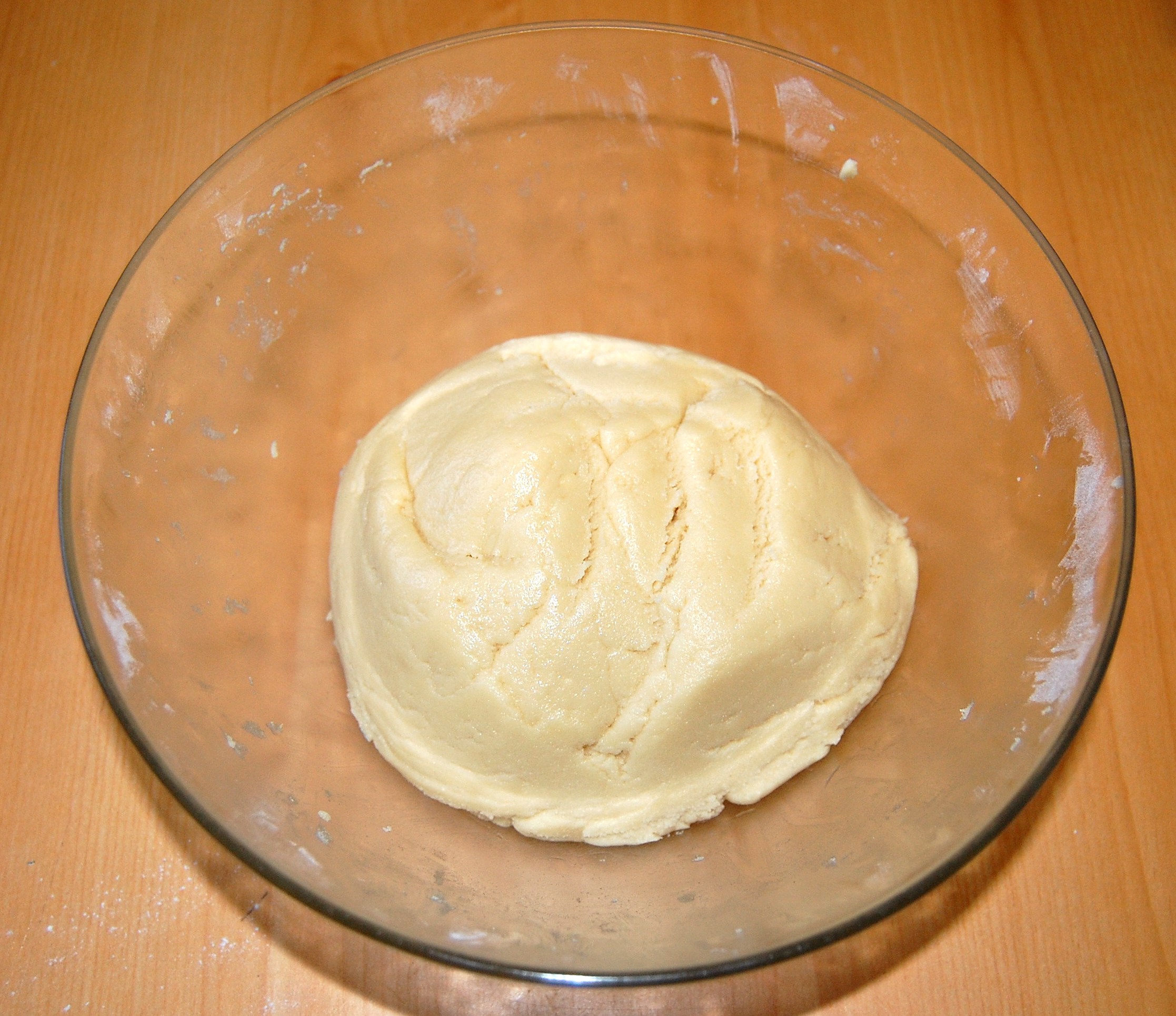
Mix in the dry ingredients until the dough has an even consistency. It will look like this:
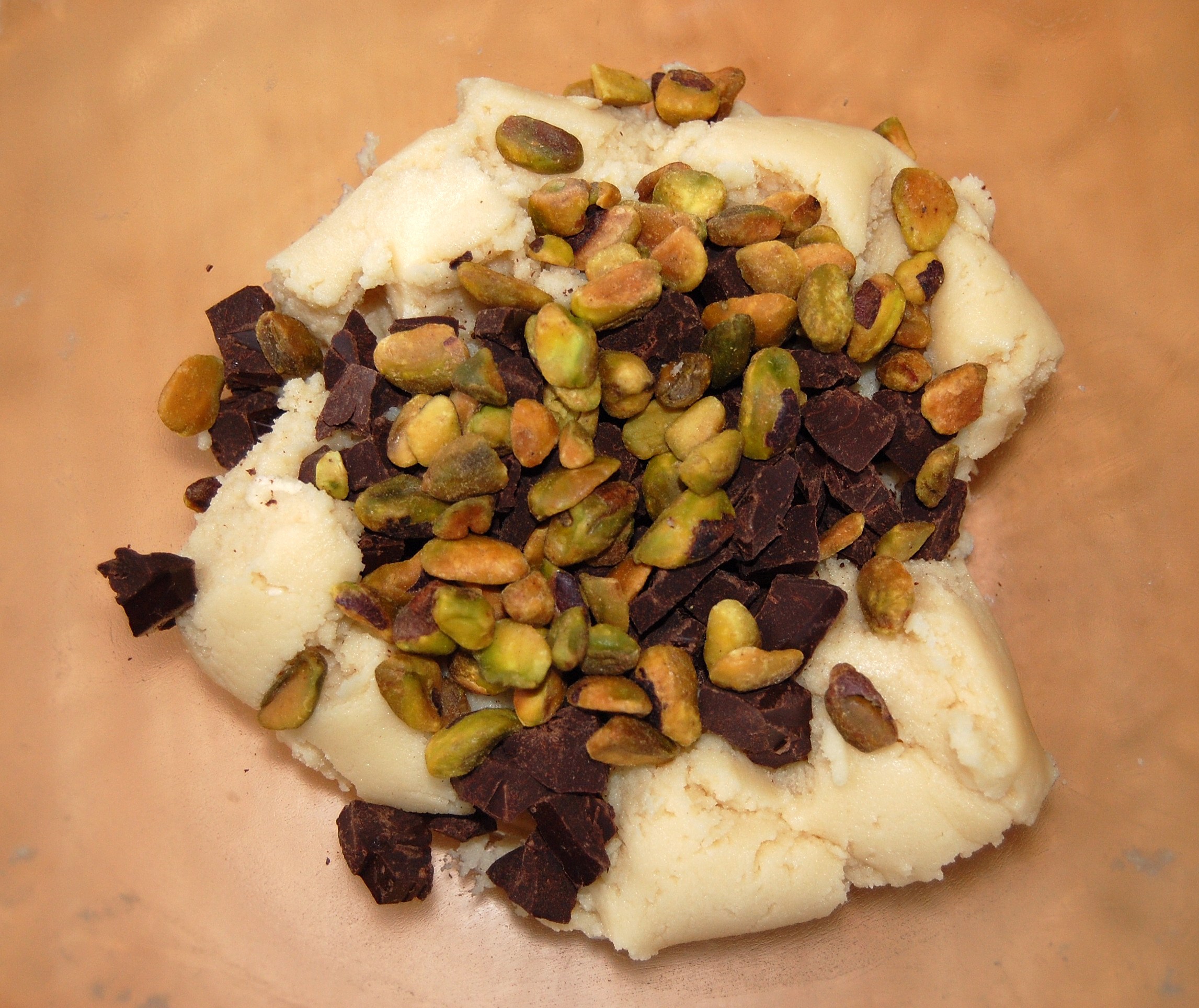
Then fold in some flavorings. We broke up some bulk dark chocolate and included pistachios:
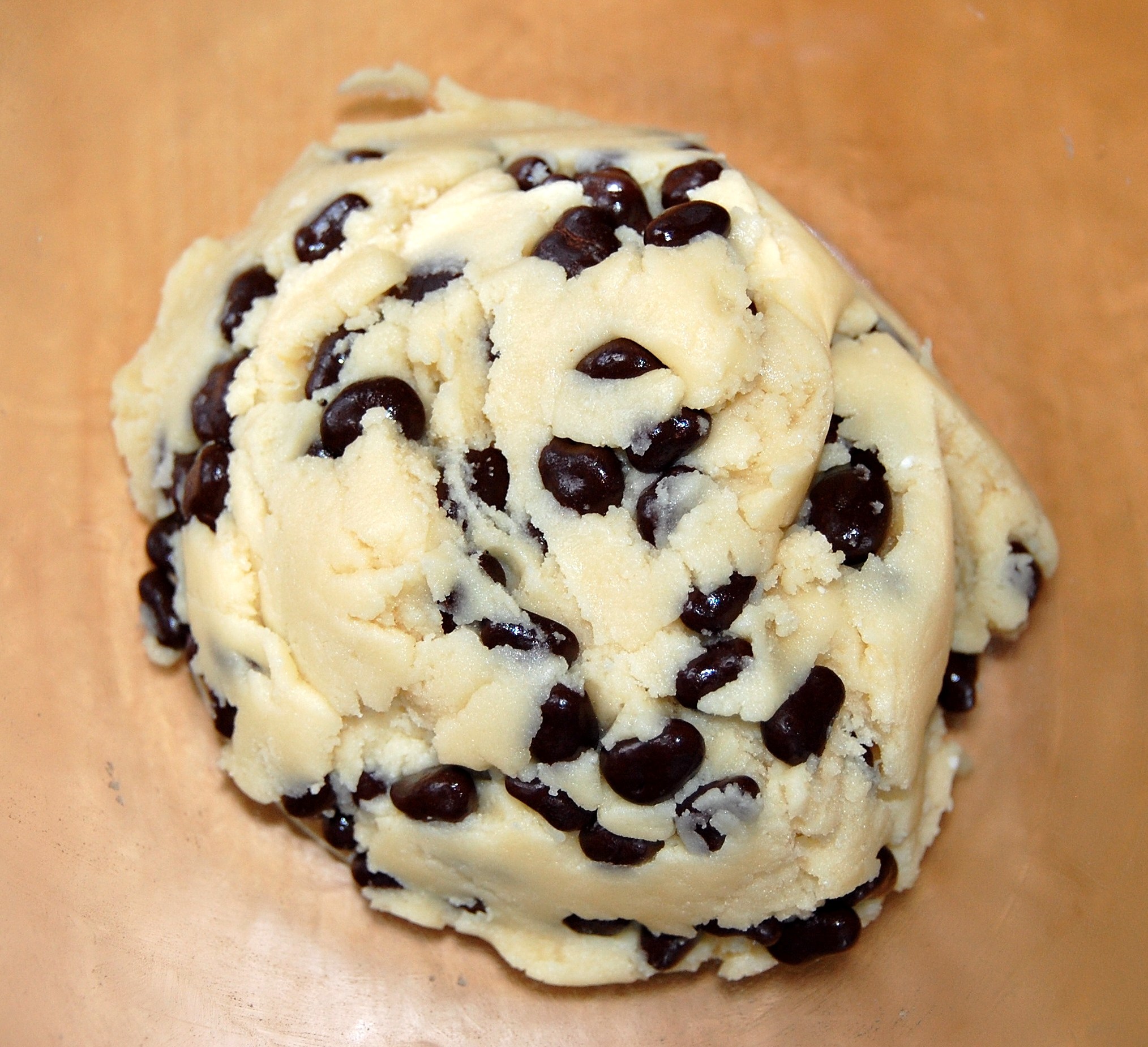
In another batch we tried chocolate covered raisins:
Place cookie-sized batches on an aluminum foil lined baking sheet:
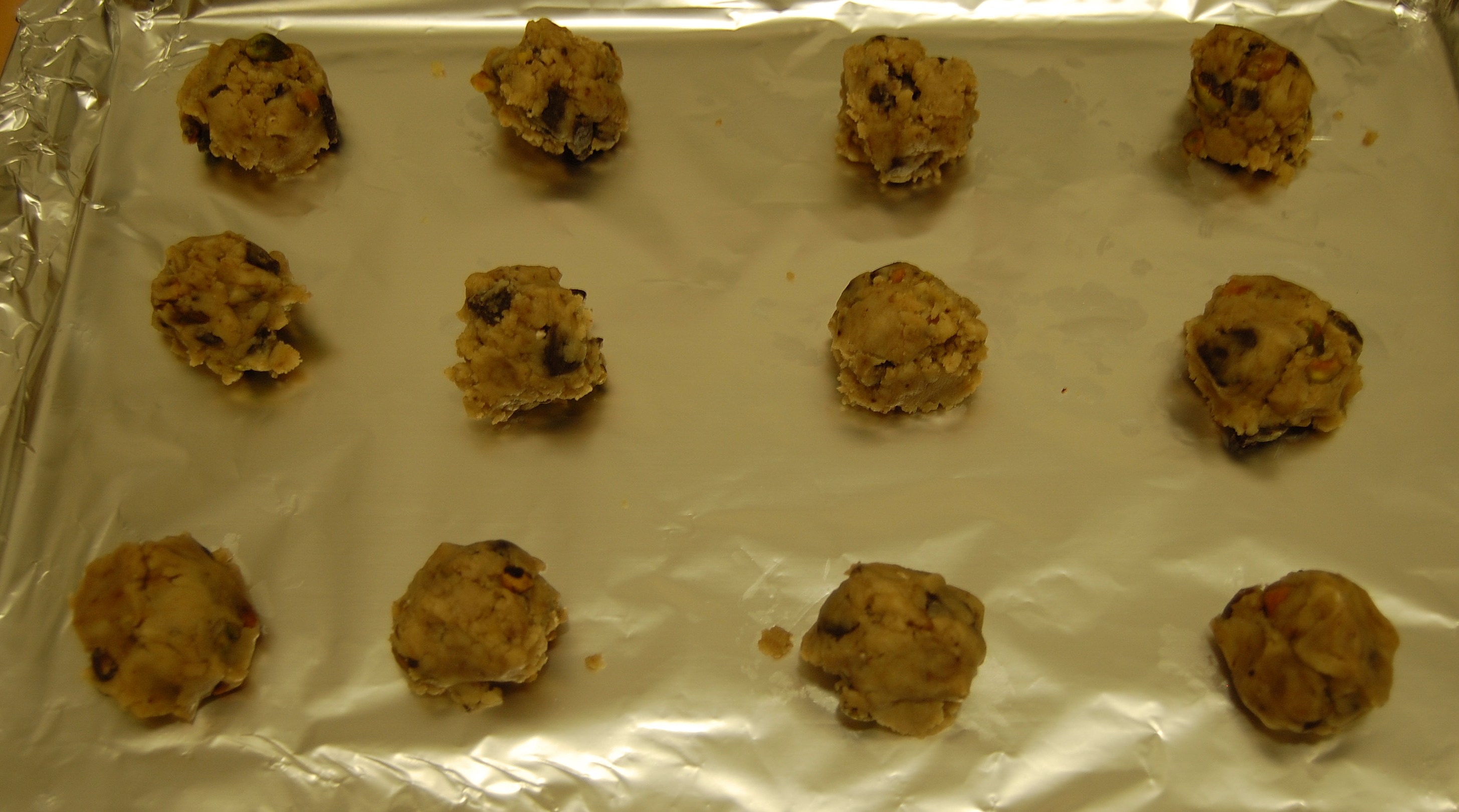
The aluminum foil prevents the bottom of the cookies from burning.

Bake at 375 F for 10-12 minutes. Remove the cookies and let them cool for at least half an hour; after they are cooled, refrigerate them.

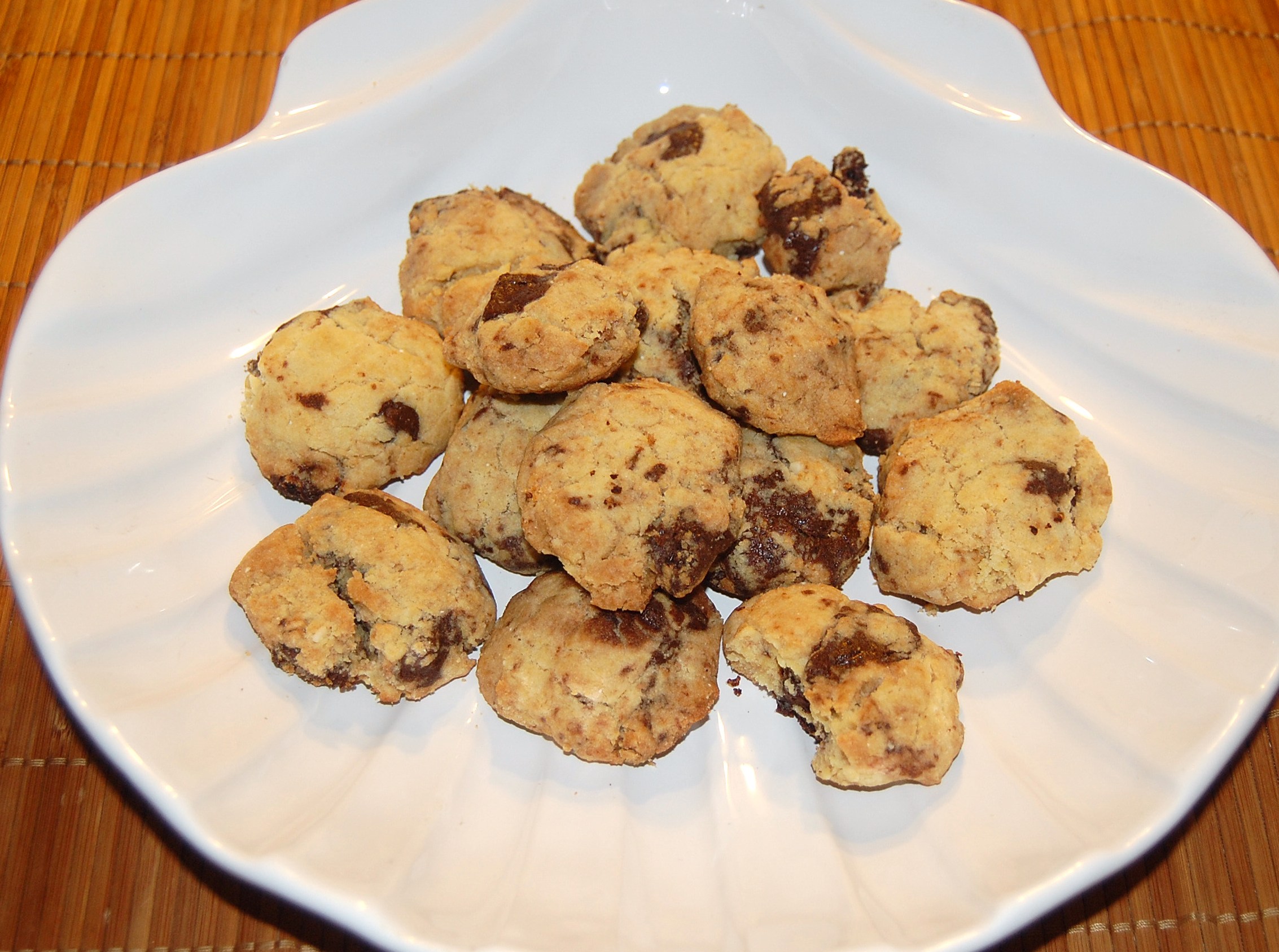
This was the chocolate and pistachio batch:
The chocolate covered raisins melted and produced brown cookies:
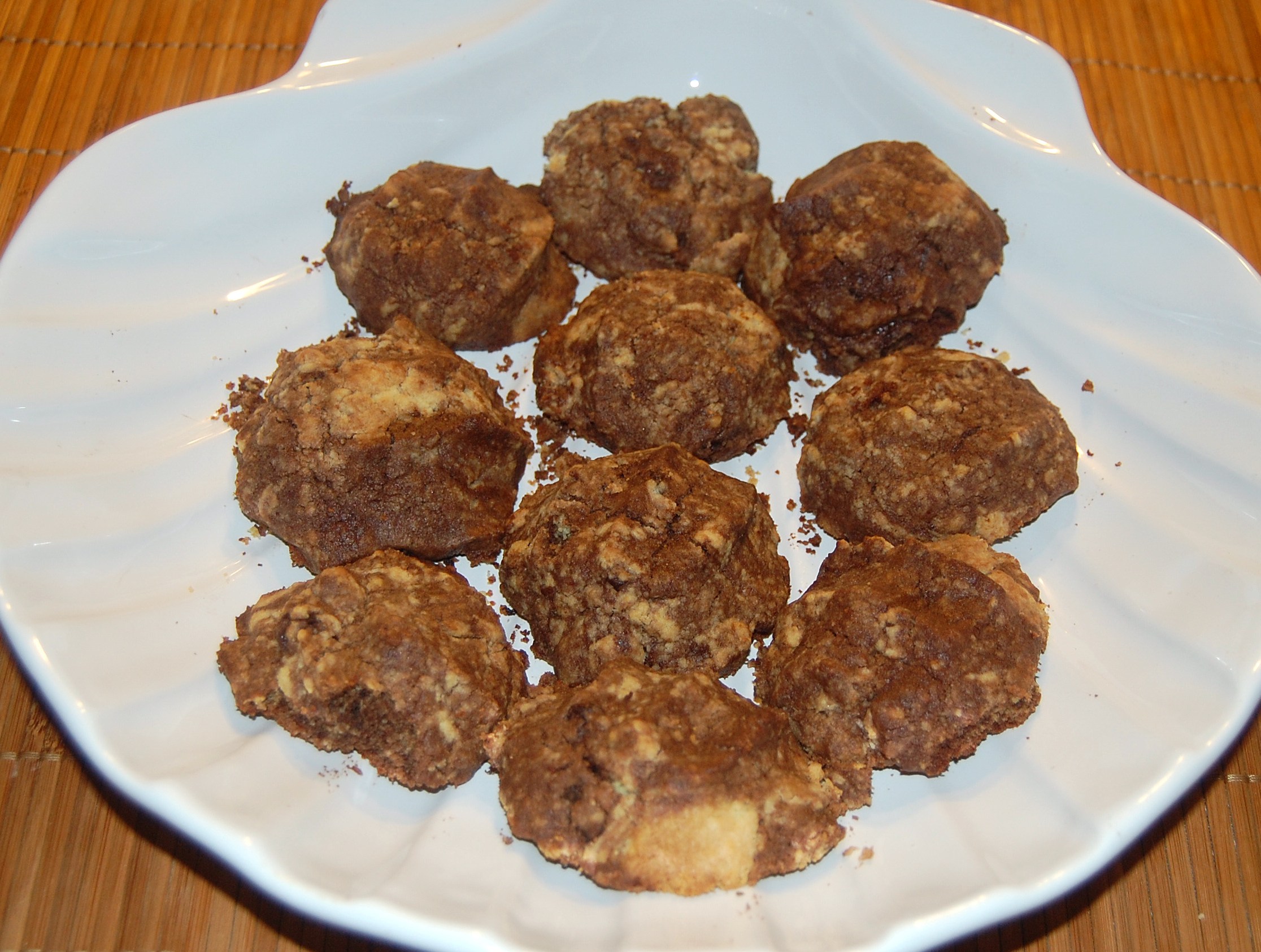
Post-eatem

The cookies were good – we were surprised how well they came out on our first attempt.

Shou-Ching really loved them, and so did our guests, but I thought the texture was drier and more crumbly than I would like. (Of course, I used to prefer uncooked dough to cookies, so I like things chewy.) This is a general issue with rice flour – it doesn’t hold together as well as gluten-containing flours. We tried both sticky rice flour and regular rice flour; I think the sticky rice flour might be very slightly better but it was difficult to detect a difference.

Here are some tweaks we’ll try next time:

  • Add more egg yolks. A little more fat might give a moister texture.
  • Try potato starch in place of tapioca flour.
  • Experiment with the protein. Most recipes either have no protein or use egg whites. We like the idea of a balanced mix of macronutrients, so we wanted to include a bit of protein. We tried the beef gelatin, partly because we have some around, and partly because gelatin mixed with water makes a good glue. We wondered if this might help the rice dough cohere. As yet we haven’t tested enough variations to know whether this was a good or bad idea.

We’d love to hear tips from more experienced cookie chefs – and reviews from the most honest critics, young children!


About the Meet-up at Plum Island

Update: We’ve moved to the beach at the entrance to the wildlife refuge parking at parking lot 1 because the parking lot area at Sandy Point was full. Paul is wearing a green shirt and Shou-Ching is wearing a red shirt. We’ll be near where the board walk from parking lot 1 enters the beach.

Just a reminder: today (Saturday) is the day of our meet-up. We’ll be on the beach at the south end of Plum Island between 4:30 and 6:30, and will share food, chat, walk, wade in the ocean, read, and play with whoever cares to join us.

If you come and are looking for us, feel free to call my cell phone: 617-576-1753.

It’s a nice place to spend a summer Saturday. The beach is located within a wildlife refuge that has walking trails through salt marshes and dunes. (We’ll do some walking before heading over to the beach at 4:30.) Nearby is Newburyport, a scenic town with an abundance of restaurants, art galleries, and shops.

What It Looks Like

We visit Plum Island about 3 times a year to walk in the wildlife refuge and picnic on the beach. Here are a few pictures from past trips.

Here’s the beach:

The water is a bit cold for swimming but fine for wading.

There are hiking trails, some of them boardwalked, through dunes and salt marsh:

They have facilities for aerobic exercise:

And resistance exercise:

There is wildlife:

If you care to you can hunt for clams:

Directions

The easiest way is to take exit 57 from I-95, which is Rte 113, and proceed through Newburyport onto Rte 1A south. Near the Newbury town line turn left onto Rolfes Lane; there will be a sign for Plum Island. At the end of the road turn right; when you’re on the island turn right again. You’ll have to pay $5 to enter the Parker River Wildlife Refuge. Proceed south on the refuge road; the beach is in Sandy Point State Reservation on the south end of the island.

How to Recognize and Fix a Brain Infection

I thought I’d pull up an interesting tale from the comments. It is a great illustration of what we’re trying to accomplish on this blog.

Thomas first commented here on December 31:

I just got your book from a relative for Christmas (I told them to buy me it!) and am reading through it now. Very interesting, although some of it is beyond a simple layman like me.

The part of this blog post that starts “Thus common symptoms of a bacterial infection of the brain are those of cognitive hypoglycemia and serotonin deficiency” and continues for several paragraphs describes precisely the mysterious changes I have experience over the last decade of life (I am now 33), with the one variation being that I suffer extreme fatigue rather than insomnia or restlessness. Every other sympton, including the odd mental state you mention, is a perfect match, and I experience them all to a marked degree….

I have been diagnosed with general anxiety but never depression. I do not feel sad ever, just irritable and anhedonia-ac, if I may coin a word. Anti-depressants, and I’ve tried a bunch, do absolutely nothing for me.

Brain infections are widespread – I wouldn’t be surprised if 20% of the adult population has a brain infection of mild severity – but they are hardly ever diagnosed or treated.

Fortunately, there are some symptoms that are almost universally generated by brain infections, so it’s not necessarily that difficult to diagnose them. But I think no one knows the symptoms. Infections are generally allowed to progress for decades.

One of my crucial steps forward was when I recognized that I had the cognitive symptoms of hypoglycemia when my blood sugar was normal. I could relieve the symptoms if my blood sugar became highly elevated. Thinking about why that might be led me toward the idea of bacterial infections.

Thomas went on to describe the origin of his symptoms:

I began to decline after suffering the second subdural hematoma of my life at age 20 when I was in Italy, followed by a 5 year binge on alcohol.

This was another clue. Traumatic brain injuries, such as hematomas, often initiate brain infections, because they breach the blood-brain barrier. Alcohol is also a risk factor, as I pointed out in my reply to Thomas:

Alcohol abuse depresses bacterial immunity and would be a risk factor for a brain infection: http://www.ncbi.nlm.nih.gov/pubmed/16413723, http://www.ncbi.nlm.nih.gov/pubmed/20161709. Subdural hematomas frequently show infections, e.g. http://www.ncbi.nlm.nih.gov/pubmed/20430901.

We next heard from Thomas on February 22, when he had been on our diet for 7 weeks and had just tried his first ketogenic fast:

I’ve been doing PHD for about 7 weeks now, and tried a ketogenic fast this past weekend. I ended up going 33 hours with some coconut oil and cream. It was a bit tough having to eat a bunch of oil on an empty stomach, but nothing too bad.

I can’t say there was any improvement cognitively or with anhedonia, but there seemed to me to be a pronounced calming effect after about 24 hours of fasting. I often stutter or stumble over words (again, for about 10 years now), which usually goes away only with two or three alcoholic drinks. But the speech problems stopped almost completely during the fast, which makes me thing that there is some link to anxiety and stuttering.

Positive changes in brain function during ketosis suggest that the brain isn’t functioning normally when it relies on glucose as a fuel. There are several possible causes of this, but one is a bacterial infection. Another clue.

I generally recommend getting on our diet and supplement regimen, and reaching a stable health condition, before starting antibiotics. There are several reasons for this, which I’ll elaborate on later, but briefly:

  • Antibiotics work well on a good diet but may fail on a bad diet.
  • Pathogen die-off toxins can cause significant neurological damage and this toxicity may be substantially increased on a bad diet.
  • There is considerable diagnostic value in being able to clearly discern the reaction to antibiotics. Rarely is it certain that a brain infection is bacterial, or that the antibiotic in question is the correct one. To judge whether the antibiotic is working, it’s important that health be stable and as good as possible.

I therefore recommend being on our diet and supplement regimen for 3-4 months before starting antibiotics.

Thomas seems to have followed this advice, since he has just reported starting antibiotics:

I’ve been on PHD for a few months, and about a month ago went to the low-carb therapeutic ketogenic version of the PHD. After reading some of Paul’s posts, I believe that I might have a brain infection as a result of a head injury from more than a decade ago (Paul, if you recall, my condition has a lot of similarities to the one you once had). I started taking doxycycline a few days ago, and I have already noticed pronounced improvement (whether due to the diet or the antibiotic or both) in controlling the irritability and anxiety that have plagued me for years….

I definitely feel great since making the diet changes. My blood pressure, which has been creeping upwards over the last few years to 135/80 or so, is back down to 110/70. My testosterone is 824, and I am pleased to see that I maintaining my strength in the gym despite being on a ketogenic diet.

Pronounced improvement in the first days of doxycycline is quite possible, because doxy acts as a protein synthesis inhibitor. It essentially blocks bacterial functions and switches them into a state of hibernation. The bacteria are still there, but they are not interfering with brain function as much as before.

This improvement is confirmation that Thomas has a bacterial infection of the brain. If there were no infection, he wouldn’t notice an effect from the antibiotics.

Over a period of months, the doxycycline plus ketogenic dieting should help his innate immune defenses clear the brain of most bacteria. Combination antibiotic protocols may be even more effective.

In a follow-up comment, Thomas mentioned Ben Franklin and the blessing of good health:

Thanks for the response Paul, as well as all your help. If this works, I owe you my first-born child and then some! Ben Franklin (I think it was him) might have been right about health being the greatest blessing. The improvements I’ve seen recently have done more for my well-being than anything in the last decade, and I am profoundly grateful to you for all your excellent advice.

It’s comments like this that make blogging and book writing worthwhile.

It’s probably hard for those who have never had ill health to appreciate how enjoyable it can be for those with chronic diseases to recover good health. I’ve blogged on this before (Of Recovery, Hope, and Happiness, July 13, 2010 – don’t miss Ladybug’s painting).

Thomas, antibiotics and ketogenic dieting will work, I’m pretty sure. May you come to perfect health, and always remain grateful for the many blessings that are yours.

French Fried Potatoes and Sweet Potatoes

We had a reader request for “classic American dishes.” We decided to start with French fries.

Ingredients

The ingredients are simple:

  • We made three flavors using russet potatoes, Asian sweet potatoes, and American sweet potatoes.
  • For oil we used the Beef Tallow that we showed how to make last week.

Preparation

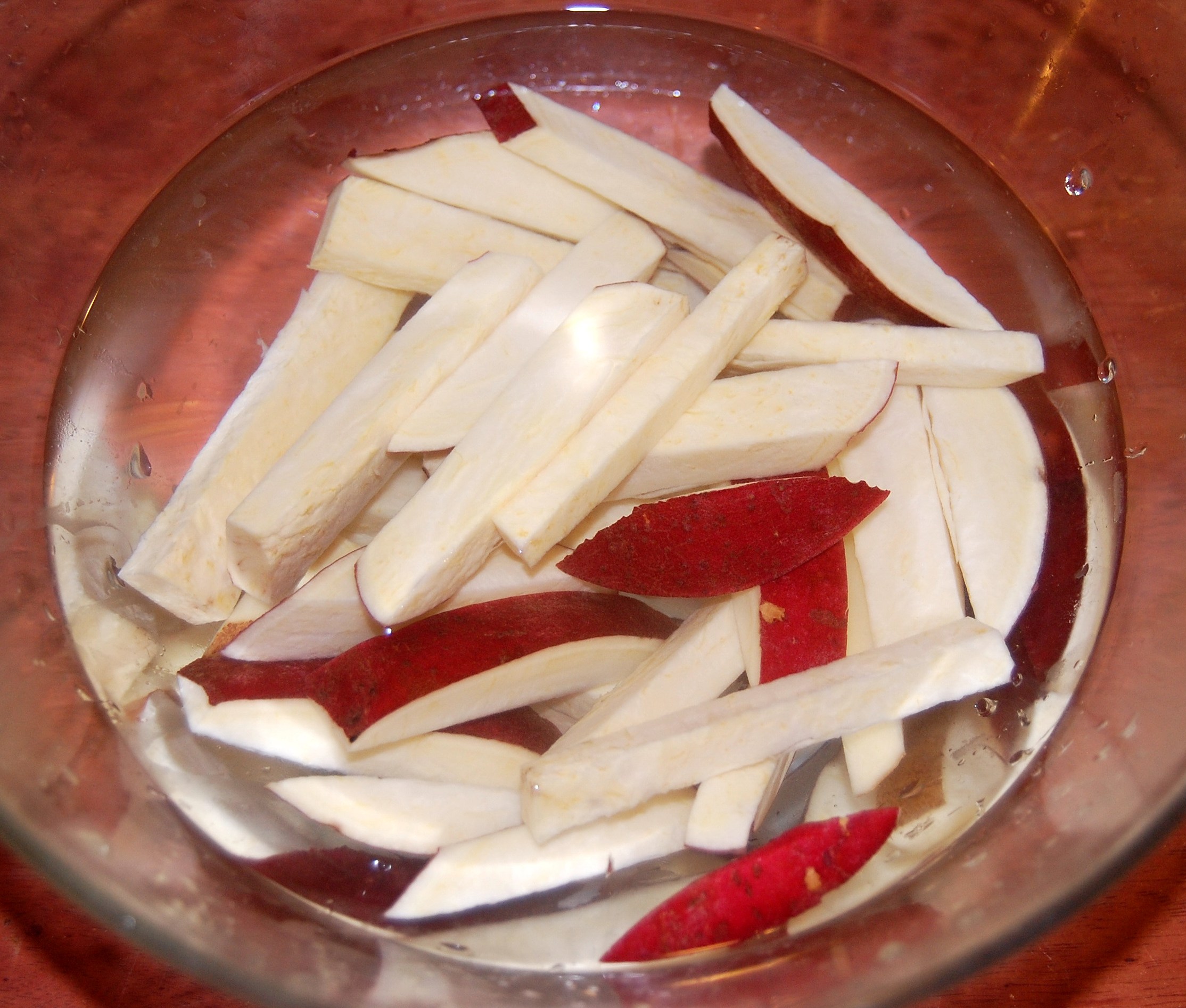
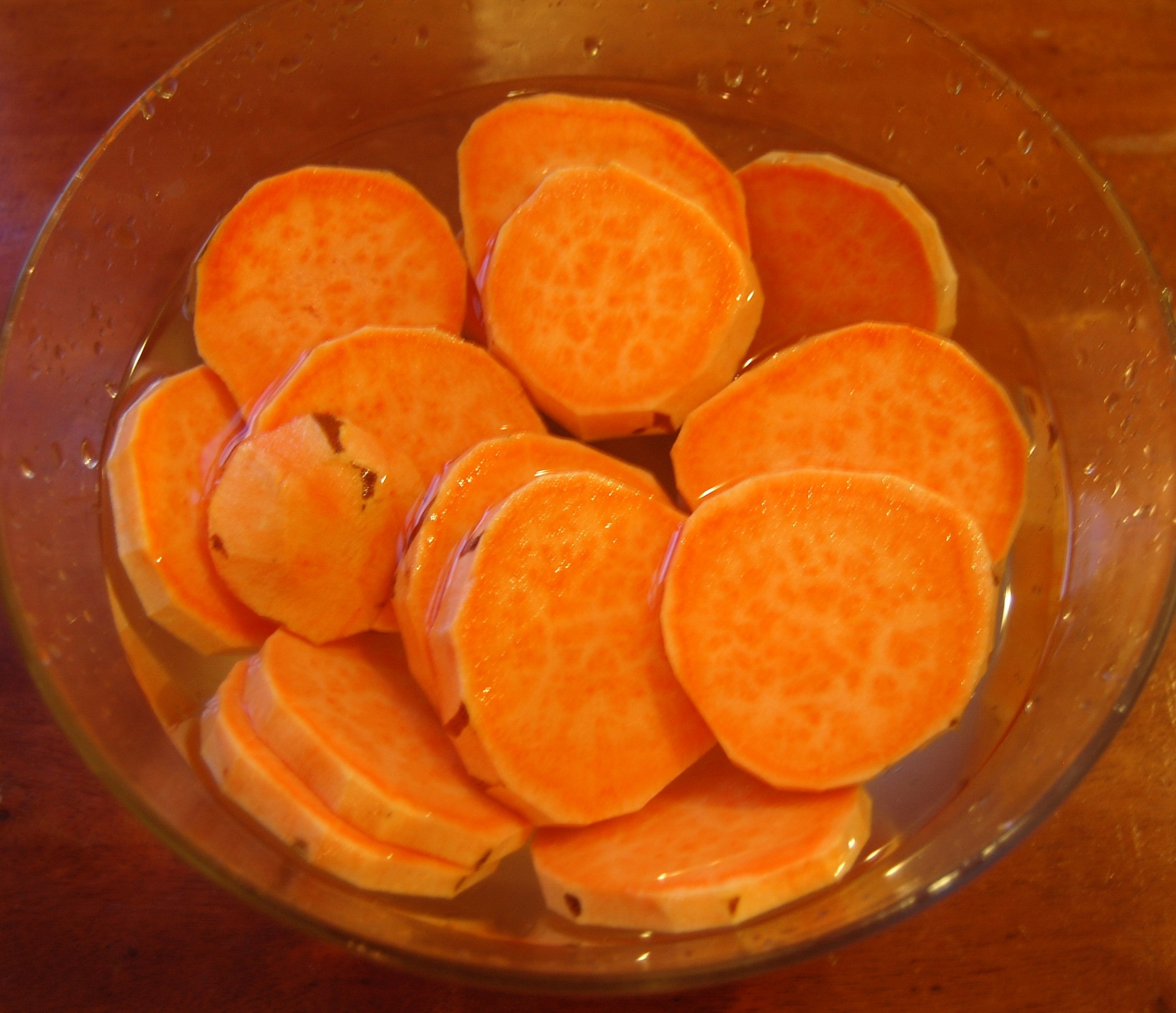
Start by cutting uncooked potatoes or sweet potatoes into appropriate shapes. We favor finger-sized slices or thin chips, and keeping the skin on. Here are russet potatoes, Asian sweet potatoes, and American sweet potatoes:

After slicing, soak them in a bowl of water as shown above. The purpose of this is to draw out starch. You can rub the potato with your fingers: it will feel slimy as long as there is starch there. You may need to rinse the potatoes 3-4 times to remove the starch. When you’re done, the slimy feel should be gone and the water should be clear.

Removing the starch will make the French fries crispy.

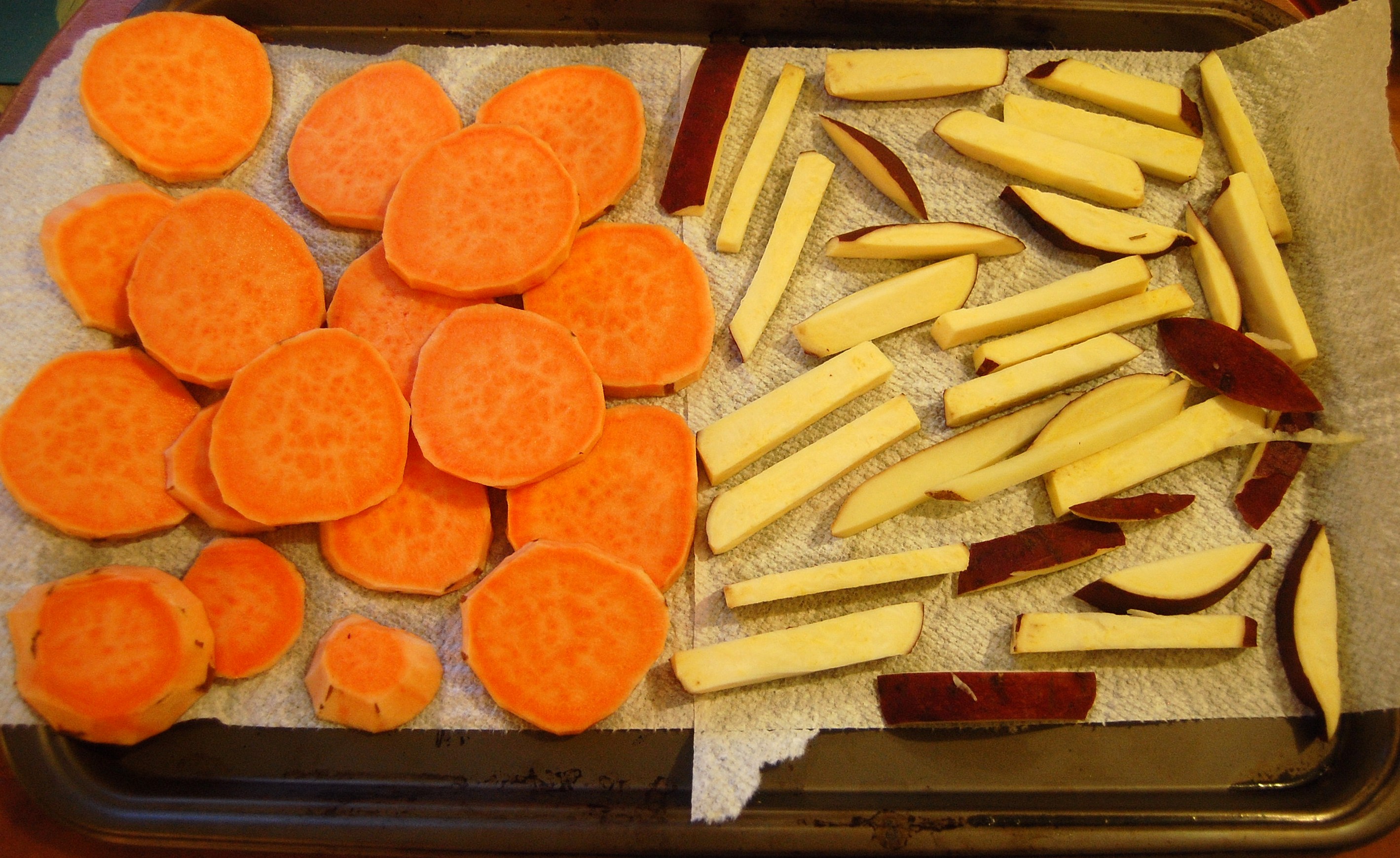
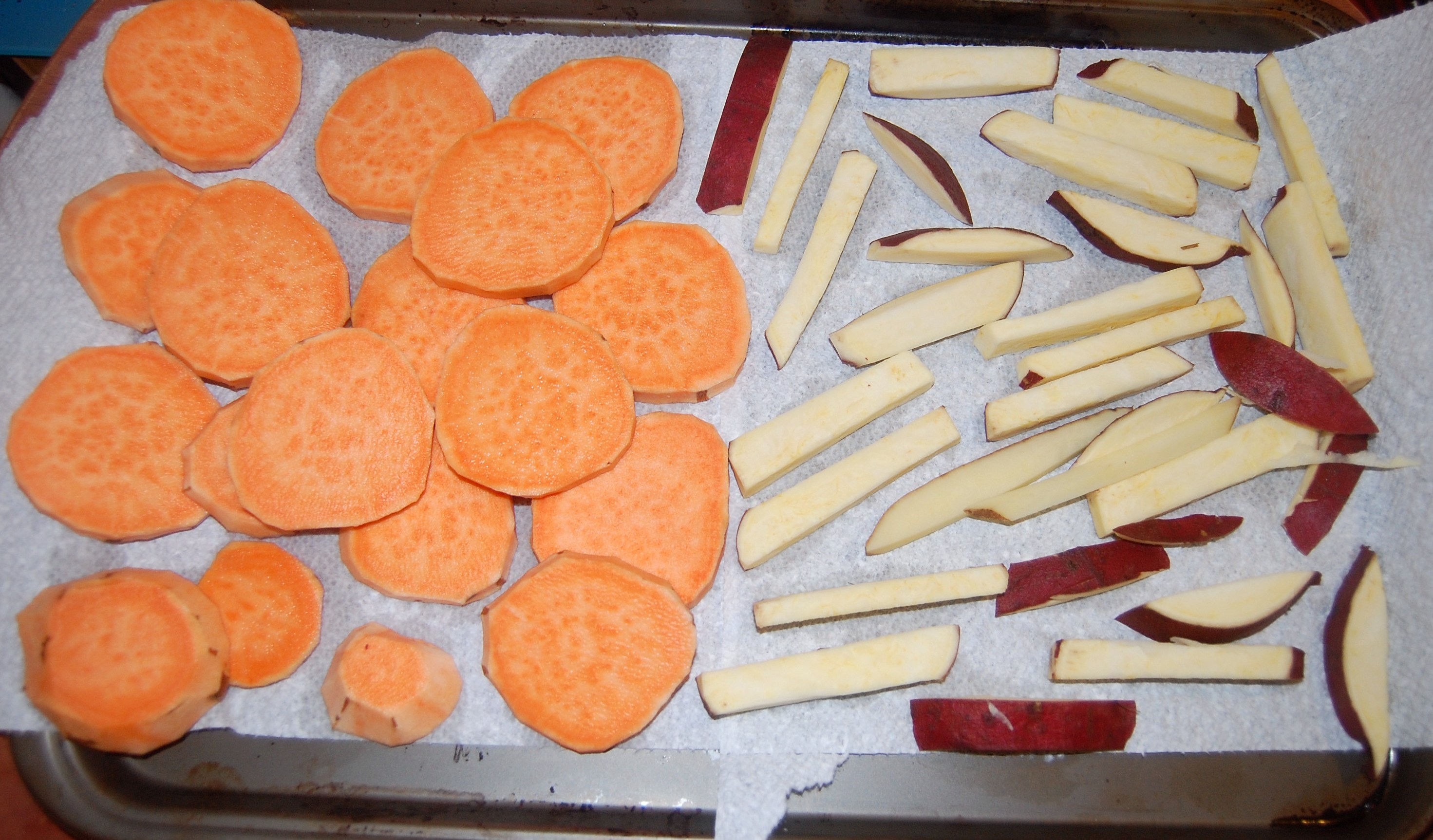
After the starch is removed, lay the fries out to dry:

It is important that they dry thoroughly. There must be no water when they are cooked. Drying takes at least 30 minutes.

Frying the potatoes occurs in two parts: once to cook the potatoes through, and a second time to make them crispy.

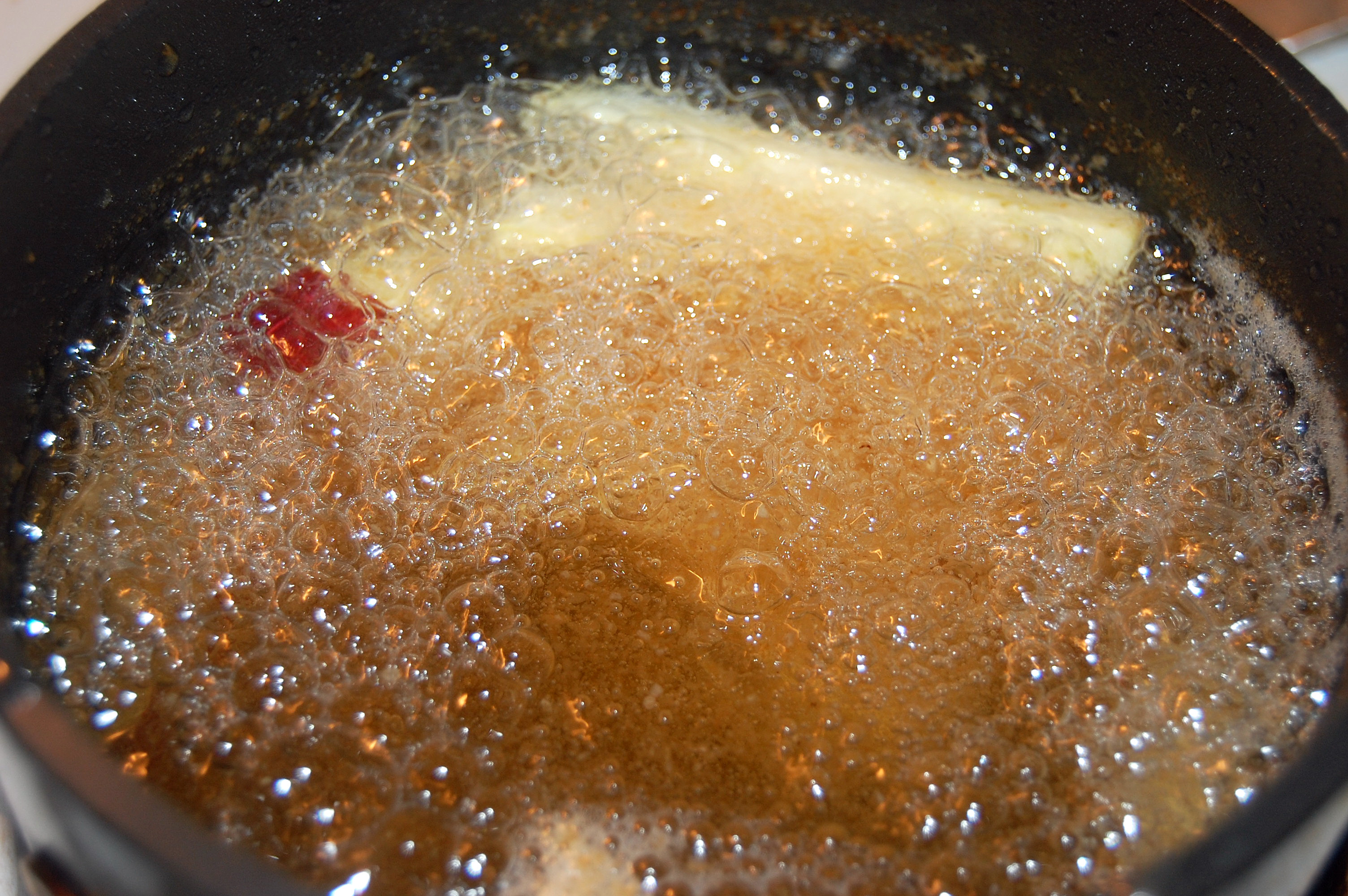
Put beef tallow (or whatever oil you are using) into a saucepan to a depth of a few inches, and heat it to a middling temperature about 275 F / 135 C. Add as many dried potato slices as will fit in the oil:

It doesn’t take long to cook: about 3 to 5 minutes. When they’re done, remove the fries; we used chopsticks.

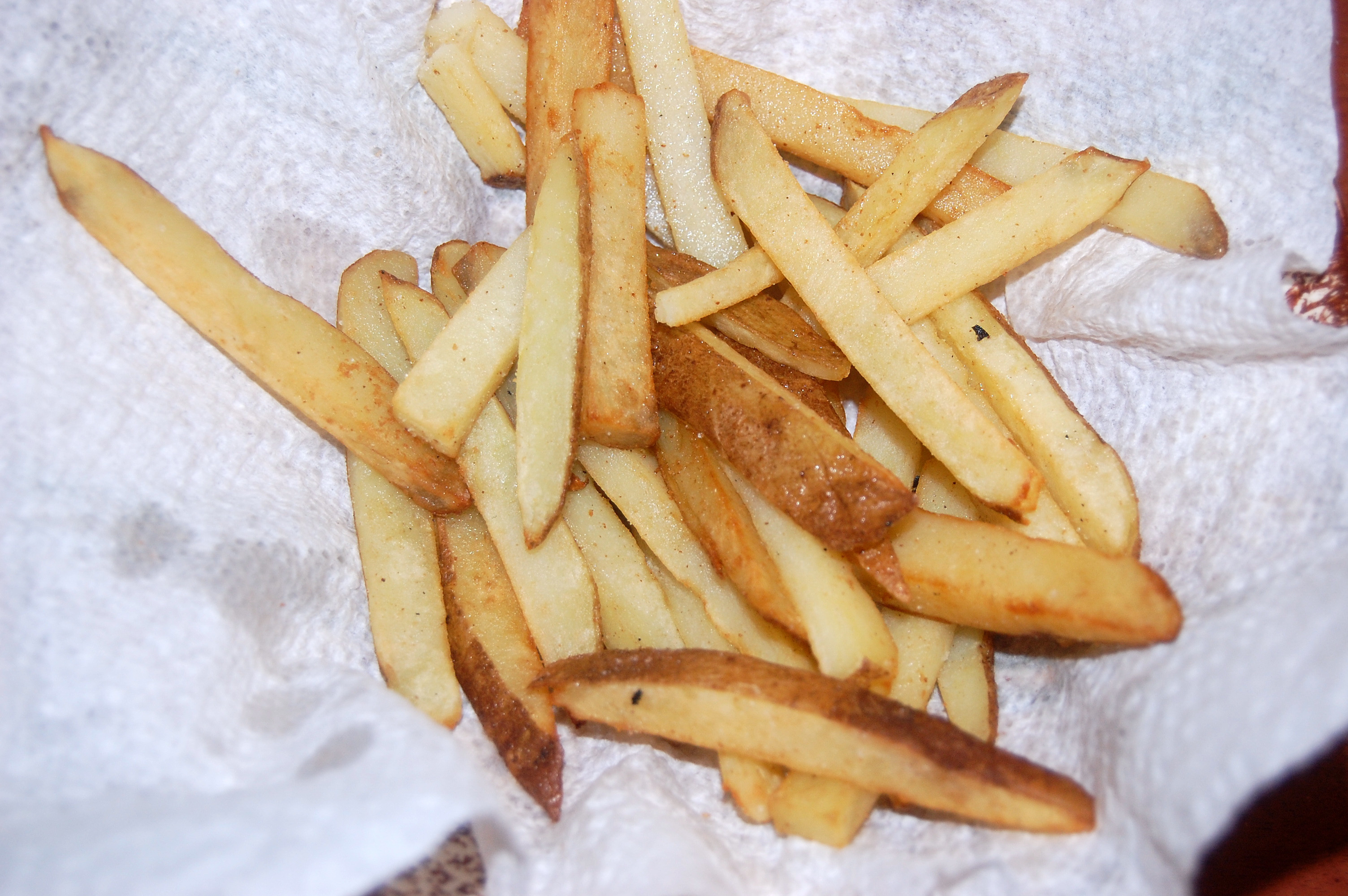
At this stage the fries will look like this:

Set the fries aside for at least 10 minutes — 30 minutes is safer — to let them cool. They should be comfortable to the touch. If you want to freeze fries for future use, this would be a good stage to put them in the freezer.

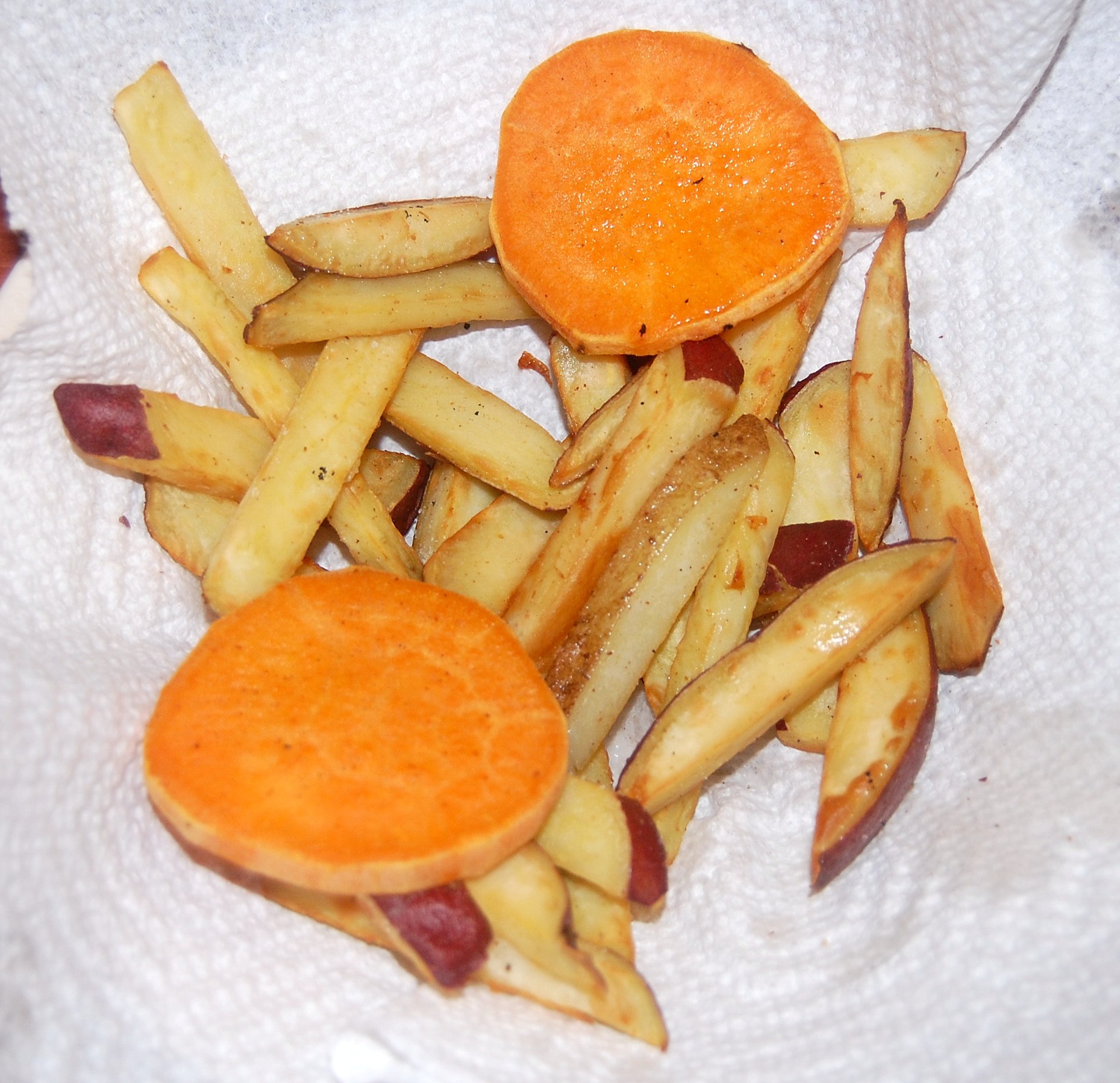
But if you’re finishing the fries now, heat the oil to a high temperature — more like 350 F / 175 C, which is almost to the smoke point of most cooking oils — and return the cooled fries to the oil. Leave them in for just 2 to 3 minutes and remove. This will make the fries crispy, looking like this:

Sprinkle salt and any other spices you like on them, and they’re done!

Conclusion

French fries are really easy, if a bit time consuming, to make, and really hard to stop eating.

Our potatoes and Japanese sweet potatoes were superb, but the American sweet potato discs were only good — a little soft. Perhaps this species has extra water, or perhaps the disc shape needs more cooking time than we gave it.

We use our beef tallow for at most 3 batches — that is, 3 rounds at the low temperature and again at the high temperature — and then discard it. Because beef tallow solidifies at room temperature and can clog pipes, don’t pour it down a kitchen drain; let it solidify and discard it as solid trash in an appropriate container.

French fries have a tremendous taste to expense ratio — especially if you’ve been able to get beef fat for free from your butcher, like Paolo! Highly recommended.